ODM pet product sourcing can unlock faster launches, broader SKU options, and cost efficiencies, but procurement teams must assess critical risks before committing to suppliers.
From material compliance and product safety to IP ownership, quality consistency, lead-time reliability, and audit transparency, each decision can affect brand reputation and supply resilience.
For procurement teams, the core question is not whether ODM pet sourcing is convenient, but whether the supplier can protect margin, compliance, and continuity.
This guide focuses on the risks buyers should review first, before tooling payments, purchase orders, packaging approvals, or long-term supply commitments are finalized.
Start With Product Safety, Not Price
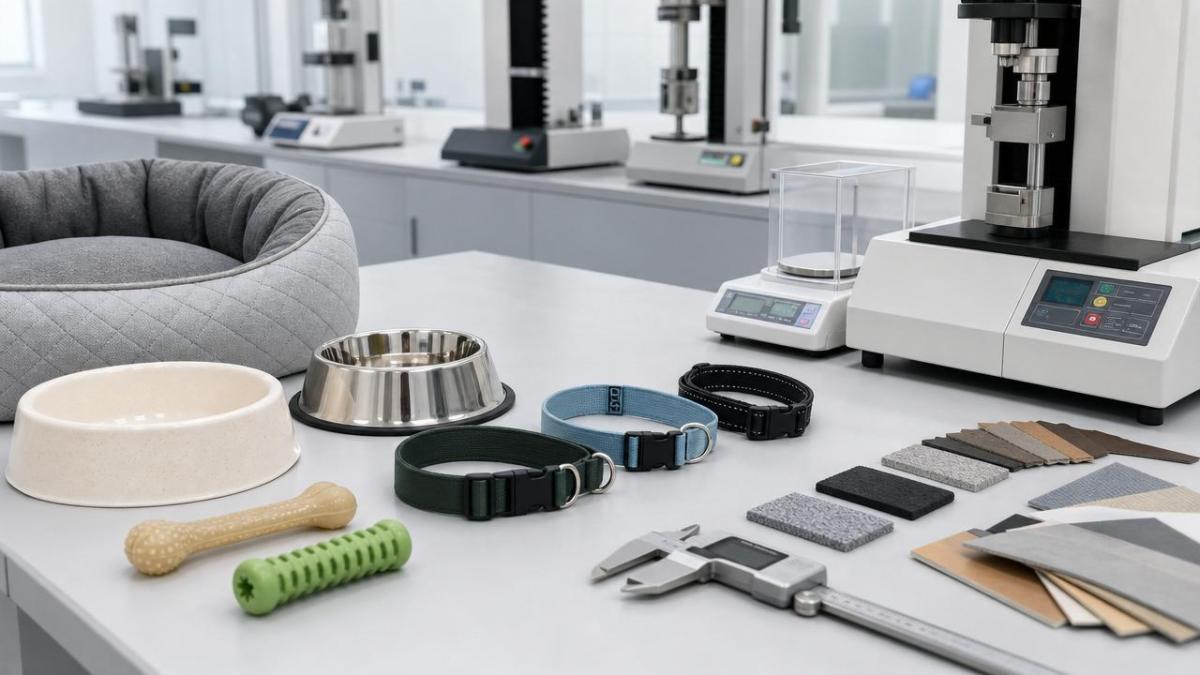
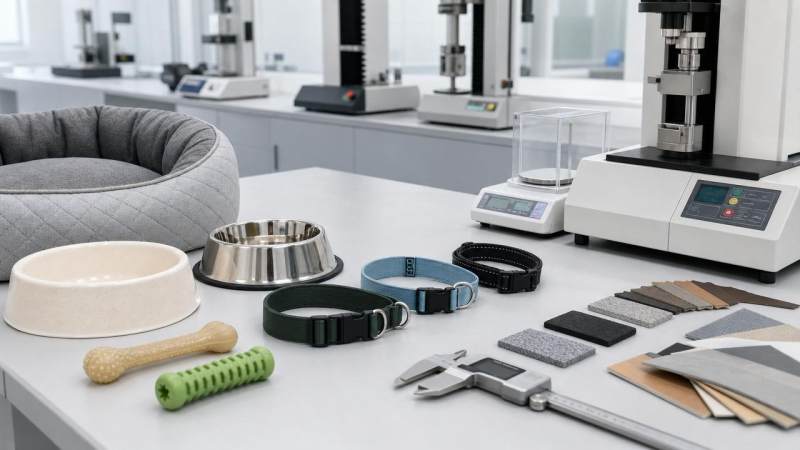
In ODM pet sourcing, product safety should be reviewed before unit price, because one unsafe SKU can damage consumer trust faster than any cost saving.
Pet products interact with animals through chewing, licking, scratching, sleeping, and feeding, so exposure routes are broader than many general consumer goods.
Buyers should verify whether materials are suitable for intended use, especially plastics, coatings, textiles, adhesives, dyes, stuffing, rubber, metals, and electronic components.
For chew toys, feeding accessories, grooming tools, bedding, collars, and smart devices, material selection must align with foreseeable pet behavior and owner handling.
A supplier may offer an attractive ODM pet catalog, but procurement should ask whether each design has passed relevant migration, toxicity, durability, and mechanical testing.
Safety review should also include choking hazards, sharp edges, small detachable parts, battery access, cord risks, heating elements, and improper assembly tolerances.
When suppliers cannot provide test reports linked to exact materials, colors, formulas, and production batches, buyers should treat the quotation as incomplete.
Confirm Compliance by Market, Category, and Claim
Compliance risk varies by destination market, product category, sales channel, and marketing claim, so generic certificates rarely provide enough assurance.
A bed, leash, feeder, litter accessory, grooming brush, and electronic tracker may fall under different standards, labeling rules, and documentation expectations.
Procurement teams should map each target market first, then ask the ODM supplier which standards apply and which tests are already completed.
For the United States, buyers may need to consider CPSIA, California Proposition 65, FCC rules, food-contact requirements, or retailer-specific restrictions.
For the European Union, teams may review REACH, RoHS, CE requirements, GPSR obligations, food-contact rules, textile labeling, and electronic waste responsibilities.
Claims such as antibacterial, eco-friendly, biodegradable, orthopedic, non-toxic, or food-grade require evidence that matches the claim language used on packaging.
Procurement should avoid approving supplier marketing copy without legal and compliance review, because exaggerated claims can trigger enforcement or marketplace removal.
A practical approach is to build a compliance matrix listing SKU, market, material, claim, required standard, test status, certificate owner, and renewal date.
Review IP Ownership Before You Customize
ODM pet sourcing often starts with supplier-developed designs, but customization can blur ownership of molds, industrial designs, artwork, firmware, and packaging concepts.
Buyers should clarify whether the supplier owns the design, licenses it, or merely manufactures a product already sold to multiple brands.
If a product is truly differentiated, procurement must confirm whether exclusivity is available by geography, channel, SKU configuration, colorway, or time period.
Without clear terms, a best-selling customized pet feeder or toy may appear under another brand with only minor cosmetic changes.
Contracts should define ownership of tooling, 3D files, drawings, software code, packaging artwork, test data, photos, and brand-specific modifications.
For smart pet products, firmware, app interfaces, cloud services, data handling, and device connectivity create additional intellectual property and cybersecurity exposure.
Procurement should also request confirmation that the supplier’s base design does not infringe patents, trademarks, copyrights, or registered designs in target markets.
IP review is not only a legal step; it protects launch investment, marketing differentiation, and future negotiation leverage with the manufacturer.
Investigate Factory Capability Behind the ODM Catalog
A polished ODM catalog does not prove that the supplier controls production, owns tooling, manages subcontractors, or understands consistent quality engineering.
Procurement teams should determine whether the vendor is a factory, trading company, design house, assembler, or network coordinator using multiple workshops.
Each model can work, but transparency matters because accountability becomes weaker when quality problems are passed between hidden subcontractors.
Buyers should ask which processes are in-house, which are outsourced, and which suppliers provide critical materials, electronics, fabrics, packaging, or coatings.
Factory capability review should include production equipment, mold maintenance, incoming quality control, process controls, final inspection, testing facilities, and engineering support.
For pet products with electronics, teams should verify PCB sourcing, battery management, waterproofing controls, firmware testing, aging tests, and after-sales failure analysis.
For textile or plush products, buyers should check stitching strength, seam consistency, stuffing control, needle detection, colorfastness, and washing performance.
The strongest suppliers can explain not only what they produce, but how they prevent defects before goods reach final inspection.
Do Not Treat Samples as Proof of Mass Production Quality
Samples are useful, but procurement teams should remember that sample-making and mass production may involve different workers, materials, machines, and inspection intensity.
Many ODM pet disputes begin when approved samples look excellent, while shipment goods show color variance, weak stitching, odor, deformation, or poor finishing.
Buyers should require a golden sample, signed specifications, approved material swatches, packaging standards, performance criteria, and acceptable quality limits before production.
Specifications should cover dimensions, weight tolerance, color references, odor limits, tensile strength, drop tests, wash tests, battery life, and barcode requirements.
For repeat orders, procurement should compare new production against previous approved lots, not only against the supplier’s newest sample.
Pre-production meetings help confirm materials, tooling status, production schedule, inspection points, labeling, packing methods, and responsibilities for nonconforming goods.
Quality plans should be documented before deposits are paid, because correction becomes more expensive once raw materials and packaging are purchased.
A disciplined sampling process reduces ambiguity, strengthens accountability, and gives both parties a measurable reference when quality disagreements occur.
Assess Lead-Time Reliability and Capacity Before Peak Season
Pet product demand often fluctuates around holidays, marketplace promotions, new collection launches, and retailer resets, making lead-time reliability commercially important.
Procurement should ask suppliers for realistic lead times covering sampling, testing, material purchasing, production, inspection, packaging, booking, and export documentation.
A short quoted lead time may exclude compliance testing, packaging printing, component shortages, subcontractor delays, or port congestion.
Capacity review should include monthly output, peak-season utilization, competing customer priorities, overtime dependency, and backup plans for equipment or labor disruptions.
For new ODM pet products, buyers should treat the first mass order as a ramp-up project, not a routine replenishment order.
Late deliveries can create retailer penalties, stockouts, air freight costs, lost ranking on marketplaces, and pressure to accept lower quality goods.
Procurement teams should build milestone tracking into purchase orders, including tooling completion, material arrival, pilot run, inspection booking, and shipment readiness.
A supplier that reports delays early is usually safer than one that promises everything until the final week before shipment.
Check Cost Structure, Not Only the Quoted Unit Price
The lowest ODM pet quotation may hide weak materials, limited testing, poor packaging, vague warranties, high defect rates, or unstable component sourcing.
Procurement should break down cost drivers, including material grade, tooling, minimum order quantity, packaging, testing, inspection, freight terms, and customization fees.
When two suppliers quote different prices, teams should compare specifications line by line before assuming one is more efficient.
A cheaper pet bed may use lower-density foam, weaker fabric, inconsistent stitching, or filling that compresses quickly after customer use.
A cheaper electronic feeder may have lower battery protection, weaker motors, less reliable sensors, or limited firmware update capability.
Total landed cost should also include rejection risk, returns, warranty handling, compliance retesting, storage, replacement shipments, and potential brand damage.
For strategic SKUs, procurement should prioritize cost transparency and lifecycle performance over marginal savings that increase downstream operational risk.
A well-structured quotation helps buyers understand trade-offs, negotiate intelligently, and avoid approving a price that cannot sustain quality.
Require Audit Transparency and Corrective Action Discipline
Supplier audits are valuable only when they reveal operational reality, not when they become a scripted showroom visit with limited access.
Procurement teams should review business licenses, production areas, storage conditions, quality records, worker training, chemical controls, and subcontractor management.
Social compliance may also matter for retailer programs, investor expectations, and brand policies, especially in consumer-facing pet product categories.
Environmental practices deserve attention when products involve plastics, textiles, dyeing, coatings, electronics, batteries, or packaging waste claims.
Audits should not end with a score; buyers need corrective actions, responsible owners, completion dates, evidence, and follow-up verification.
If suppliers resist basic transparency, procurement should question how they will behave when facing shipment delays, defects, complaints, or recall pressure.
Third-party audits can support decision-making, but internal procurement, quality, and compliance teams should still review the implications together.
The goal is not to eliminate every imperfection, but to confirm whether the supplier can identify, disclose, and correct problems responsibly.
Protect the Relationship With Clear Contracts and Governance
Successful ODM pet sourcing depends on governance as much as supplier selection, because expectations must remain clear after launch pressure increases.
Contracts should define specifications, testing obligations, inspection rights, confidentiality, IP ownership, defect handling, penalties, payment milestones, and change approval procedures.
Buyers should also specify whether suppliers may change materials, components, molds, subcontractors, packaging, or production locations without written approval.
Change control is critical because small substitutions can affect safety, compliance, durability, color consistency, or marketplace listing accuracy.
Warranty and return responsibilities should be commercially realistic, with clear processes for evidence review, root-cause analysis, replacement, credit, or rework.
For larger programs, procurement should establish quarterly business reviews covering quality trends, delivery performance, cost changes, innovation pipeline, and risk updates.
Strong governance turns ODM sourcing from transactional purchasing into a managed supplier relationship with measurable performance and continuous improvement.
It also helps buyers preserve leverage without damaging collaboration, because both sides understand how decisions and disputes will be handled.
Build a Practical Risk Review Checklist
Before selecting an ODM pet supplier, procurement teams should combine commercial evaluation with technical, compliance, quality, and operational risk review.
A practical checklist should include product safety evidence, market compliance, IP terms, factory capability, material traceability, quality controls, and sample approval records.
It should also cover capacity, lead-time assumptions, cost structure, audit openness, subcontractor visibility, corrective action history, and communication responsiveness.
High-risk products, such as chewable items, food-contact accessories, electronics, heated devices, and wearable products, deserve deeper validation before launch.
Buyers should rank risks by probability and impact, then decide whether to accept, mitigate, transfer, or reject each exposure.
This structured approach helps procurement avoid emotional decisions based on catalog appearance, trade show conversations, or unusually attractive pricing.
It also creates an internal decision record that supports management approval, supplier negotiation, and future performance reviews.
The best sourcing decisions are rarely the fastest ones; they are the ones that make risk visible before money is committed.
Conclusion: Choose ODM Pet Partners for Accountability, Not Convenience
ODM pet sourcing can help brands move quickly, expand product ranges, and reduce development workload, but convenience should never replace disciplined evaluation.
Procurement teams should first review safety, compliance, IP ownership, quality consistency, capacity, cost transparency, audits, and contract governance.
A reliable ODM pet supplier is not simply the one with the broadest catalog or lowest quotation, but the one that can prove control.
When buyers demand evidence early, define expectations clearly, and manage suppliers continuously, ODM sourcing becomes a strategic growth tool rather than a hidden liability.