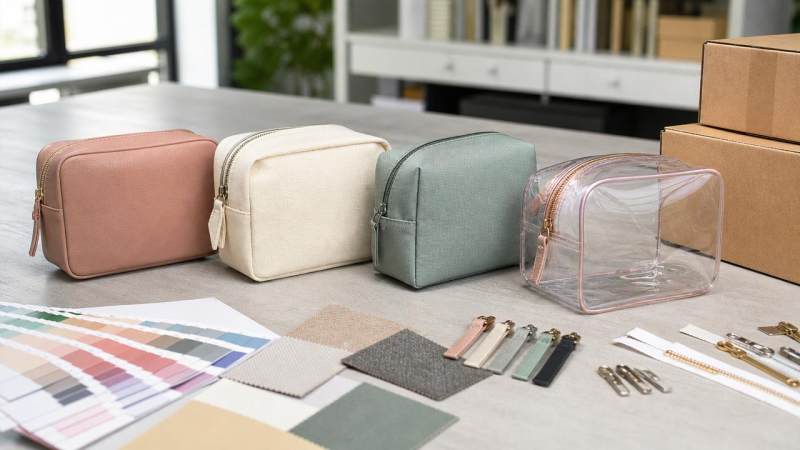
Custom Makeup Bags: Material Choices and Cost Traps
For business evaluators, custom makeup bags are not just promotional accessories—they are material-driven procurement decisions with measurable cost, durability, compliance, and brand-impact implications.
From PU leather and canvas to recycled PET and technical laminates, each material choice affects unit economics, supplier risk, lifecycle performance, and perceived value.
This article examines how to assess material options, identify hidden cost traps, and build a smarter sourcing framework for custom makeup bags in competitive B2B purchasing environments.
What Business Buyers Are Really Trying to Decide
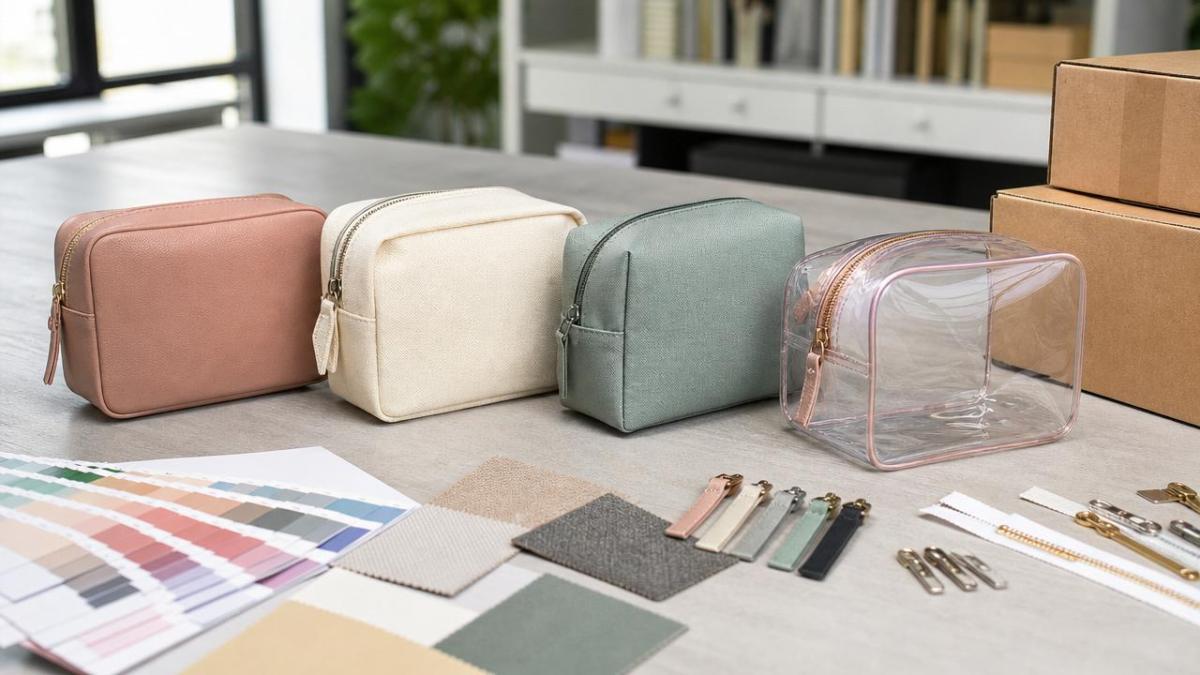
When evaluators search for custom makeup bags, they are usually not looking for generic style inspiration or simple product descriptions.
They want to know which materials support the right price point, brand positioning, delivery schedule, and risk profile.
The core question is not “Which bag looks best?” but “Which specification creates the strongest total business value?”
That value depends on purchase volume, target retail channel, expected usage, compliance requirements, decoration method, and after-delivery complaint risk.
A low quoted unit price can become expensive if the material cracks, stains, smells, fails testing, or delays shipment.
For institutional buyers, the best sourcing decision balances visual appeal, functional durability, supplier consistency, and predictable landed cost.
The Material Choice Drives More Than Appearance
Material selection is the foundation of the product’s cost structure because it affects cutting efficiency, sewing difficulty, packaging, and quality control.
It also determines how the bag feels in hand, how it photographs online, and how consumers perceive the brand.
A premium cosmetic brand may need a structured PU leather pouch, while a sustainable campaign may require recycled PET.
A travel retail program may prioritize stain resistance and zipper reliability over soft hand feel or complex decoration.
For procurement teams, material should be evaluated as a performance input, not merely a surface finish.
The right custom makeup bags specification begins with use case mapping before design approval or price negotiation begins.
PU Leather: Premium Look, But Watch the Coating
PU leather is popular because it offers a polished appearance, broad color options, and strong compatibility with embossing or metal logos.
It works well for beauty gifts, mid-range retail sets, subscription boxes, and campaigns requiring a clean luxury signal.
The main cost trap is assuming all PU leather performs similarly because the surface looks acceptable in supplier photos.
Coating thickness, backing fabric, plasticizer content, odor control, and cold-crack performance can vary significantly between factories.
Cheaper PU may peel at edges, wrinkle during stitching, or develop surface cracks after compression in transit.
Buyers should request material thickness data, abrasion expectations, odor evaluation, and finished-bag samples rather than swatches alone.
If the bag will be stored in warm warehouses, migration and odor issues should be checked before bulk approval.
Canvas and Cotton: Natural Appeal With Shrinkage Risks
Canvas and cotton communicate authenticity, simplicity, and everyday practicality, making them suitable for clean beauty or wellness-oriented promotions.
They are also compatible with screen printing, embroidery, woven labels, and relatively simple sewing structures.
However, natural fabrics can create hidden variability in color, shrinkage, weight tolerance, and print absorption.
A canvas bag that looks attractive in a sample room may appear uneven after dyeing or washing.
Uncontrolled shrinkage can distort rectangular panels, misalign zippers, and create inconsistent dimensions across production lots.
For large custom makeup bags orders, buyers should define fabric weight, pre-shrink treatment, color tolerance, and printing test requirements.
Cotton may not be ideal where waterproofing, oil resistance, or long-term stain control are essential performance requirements.
Polyester and Nylon: Practical Choices for Scale
Polyester and nylon are common choices for cost-effective, lightweight, and durable cosmetic bags used in mass distribution programs.
They provide better resistance to moisture than cotton and can support laminated or coated finishes.
Polyester is generally more economical, while nylon often delivers stronger hand feel, abrasion resistance, and perceived technical quality.
The cost trap is overlooking fabric denier, lining quality, coating uniformity, and zipper compatibility when comparing quotes.
Two suppliers may both quote “polyester makeup bag,” yet one uses thin fabric with weak internal support.
This difference can affect shape retention, seam strength, and consumer satisfaction even if the external design appears identical.
Business evaluators should compare full bills of materials, not only the headline fabric name or finished unit price.
Recycled PET: Sustainability Value Requires Proof
Recycled PET is increasingly requested for custom makeup bags because it supports sustainability messaging and corporate procurement goals.
It can be made into woven fabric, lining, felt-like textures, or laminated surfaces depending on design requirements.
The business value is strongest when the buyer can substantiate environmental claims with credible documentation.
The major cost trap is paying a sustainability premium without traceability, certification, or reliable recycled-content verification.
For branded campaigns, unverified recycled claims may create reputational exposure if challenged by retailers or consumers.
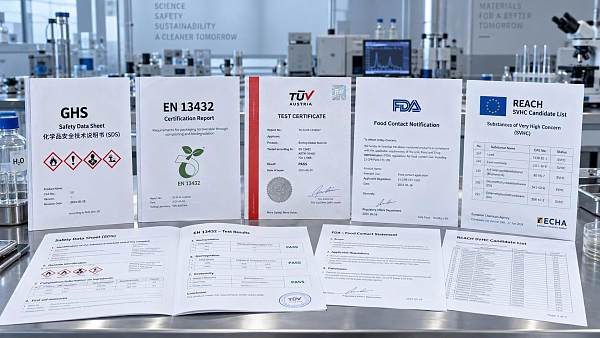
Buyers should request transaction certificates, recycled-content declarations, supplier chain information, and labeling guidance before confirming artwork.
Sustainability should be evaluated alongside durability because a weak product with recycled content still creates waste and complaints.
Technical Laminates and Clear Materials: Functional but Sensitive
Clear PVC, TPU, EVA, and laminated fabrics are often used for travel sets, waterproof pouches, and visibility-focused cosmetic storage.
They offer practical benefits, especially when consumers need spill resistance or quick identification of contents.
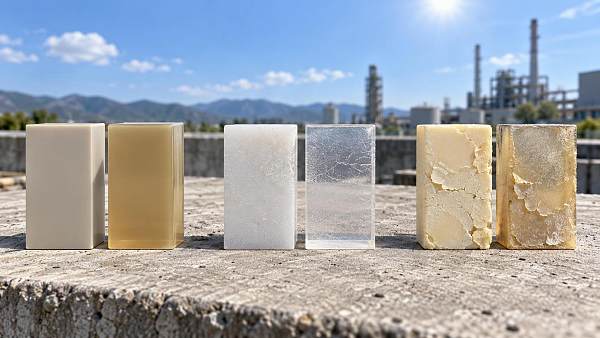
Yet these materials carry higher compliance, odor, yellowing, and temperature-sensitivity risks than many buyers expect.
PVC may face regulatory concerns in certain markets, while low-grade clear materials can harden, cloud, or smell.
TPU can provide a more premium and flexible solution, but it usually increases material and processing cost.
When evaluating transparent custom makeup bags, buyers should consider destination regulations, material safety documentation, and accelerated aging tests.
Transparent materials are best sourced through suppliers familiar with export compliance, not only cosmetic accessory assembly.
Hidden Cost Trap One: Decoration Is Not Just an Add-On
Logo application can change the total cost more than expected, especially when buyers compare bags by material alone.
Screen printing, heat transfer, embroidery, embossing, metal badges, rubber patches, and woven labels all affect pricing differently.
A low-cost fabric may require an expensive decoration method to achieve the desired brand standard.
Some materials cannot tolerate high heat, while textured surfaces may reduce print sharpness or adhesion.
Embroidery can elevate canvas but may distort thin polyester panels or require additional backing support.
Metal logos improve perceived value but add tooling, attachment labor, corrosion checks, and packaging protection needs.
Evaluators should approve decoration method and material together, not as separate purchasing decisions.
Hidden Cost Trap Two: Structure Changes Labor Economics
The structure of the bag often explains why similar-looking custom makeup bags receive very different factory quotations.
Gussets, piping, internal pockets, elastic loops, quilting, curved panels, and layered linings all increase labor time.
A simple rectangular pouch is much easier to produce consistently than a structured train case with multiple compartments.
Complex shapes also increase defect rates because stitching alignment, corner finishing, and zipper tension become harder to control.
Buyers focused only on material price may underestimate how design complexity affects production capacity and lead time.
Before requesting competitive quotes, procurement teams should define whether structural features are functional requirements or optional visual enhancements.
Simplifying one compartment or removing decorative piping may save more than switching to a lower-grade material.
Hidden Cost Trap Three: Packaging, Freight, and Compression
Finished makeup bags are often lightweight, but their volume can create freight inefficiency if packaging is poorly planned.
Structured PU bags, padded cosmetic cases, and boxed gift sets occupy more carton space than flat fabric pouches.
Compression can reduce freight cost, but excessive pressure may deform panels, damage logos, or crease coated materials.
Retail-ready packaging can protect presentation, yet it adds printing, inserts, labor, and carton volume.
For e-commerce programs, individual polybags may not be enough if the product must arrive photo-ready.
Landed cost analysis should include carton dimensions, packing method, deformation risk, and destination handling expectations.
A slightly higher unit price may be justified if the product packs efficiently and reduces return risk.
Hidden Cost Trap Four: Compliance and Testing Delays
Compliance is frequently treated as an administrative step, but it can become a major schedule and cost risk.
Materials, coatings, dyes, metal trims, zipper pulls, adhesives, and packaging inks may all require review.
Relevant requirements depend on destination market, customer category, retailer policy, and whether children may access the product.
Common concerns include restricted substances, heavy metals, phthalates, azo dyes, odor, flammability, and labeling accuracy.
Testing delays often occur when procurement confirms production before validating the full bill of materials.
Business evaluators should ask suppliers which components are already tested and which require new laboratory verification.
For high-volume programs, pre-production compliance alignment is cheaper than shipment holds, rework, or retailer rejection.
How to Compare Supplier Quotes More Accurately
A useful quote comparison requires more than listing unit prices in a spreadsheet.
Buyers should normalize specifications across material type, thickness, lining, zipper grade, decoration method, packaging, and inspection standard.
They should also confirm whether tooling, sampling, testing, export cartons, and artwork setup are included.
If one supplier quotes faster delivery, evaluators should examine whether materials are stocked or production assumptions are optimistic.
Supplier capability matters because consistent sewing, clean finishing, and color control reduce downstream claims.
For custom makeup bags, the lowest quote is rarely the best quote unless the specification is tightly controlled.
A structured RFQ template helps prevent ambiguous pricing and makes supplier responses more comparable.
A Practical Material Selection Framework
Start by defining the commercial role of the bag: gift-with-purchase, retail product, travel accessory, subscription item, or corporate promotion.
Next, define the buyer’s success metrics, such as target unit cost, expected lifespan, brand level, sustainability need, and delivery deadline.
Then rank material options against those metrics rather than selecting based on trend or sample appearance.
For premium beauty, PU leather or structured laminated fabric may support stronger perceived value.
For eco-positioned campaigns, recycled PET or responsibly sourced cotton may align better with messaging.
For mass promotional use, polyester may offer the most practical balance of cost, durability, and production scalability.
The strongest decision usually comes from matching material performance to business purpose, not choosing the most fashionable option.
Sampling and Approval: Where Many Projects Lose Control
Samples should be treated as engineering references, not only visual confirmations.
Buyers should check seam strength, zipper smoothness, edge finishing, lining attachment, odor, logo durability, and dimensional stability.
Color approval should be made under consistent lighting, especially when matching cosmetic brand palettes.
For coated materials, bending and rubbing tests can reveal cracking, transfer, or surface weakness before production.
For printed logos, adhesion testing and abrasion checks help prevent brand marks from fading during normal use.
Approval documents should include photos, measurements, material references, packaging method, and acceptable tolerance ranges.
This discipline reduces disputes because suppliers and buyers share a documented production standard.
When Paying More Upfront Makes Business Sense
Higher material cost can be justified when it improves product lifespan, retail presentation, customer satisfaction, or compliance certainty.
For example, a stronger zipper may prevent more complaints than a visually upgraded lining.
A better coating may reduce odor complaints and protect brand perception in premium beauty channels.
Certified recycled content may justify a premium when sustainability claims are central to the campaign.
The key is connecting each added cost to a measurable business outcome or risk reduction.
Business evaluators should challenge upgrades that only improve internal preference without affecting buyer experience or commercial performance.
Cost discipline does not mean choosing the cheapest material; it means spending where value is defensible.
Final Takeaway for Procurement and Evaluation Teams
Custom makeup bags should be evaluated as engineered soft goods with brand, compliance, and supply chain consequences.
Material names alone do not reveal durability, finishing quality, testing burden, or true landed cost.
The most common cost traps involve weak material validation, decoration mismatch, structural complexity, freight inefficiency, and late compliance checks.
A smarter sourcing process starts with use case definition, then connects material, construction, branding, packaging, and testing decisions.
For business evaluators, the best supplier is not simply the one offering the lowest price.
It is the supplier that can translate performance requirements into stable production, transparent costing, and consistent delivered quality.
When material decisions are made with this framework, custom makeup bags become controlled procurement assets rather than uncertain promotional expenses.