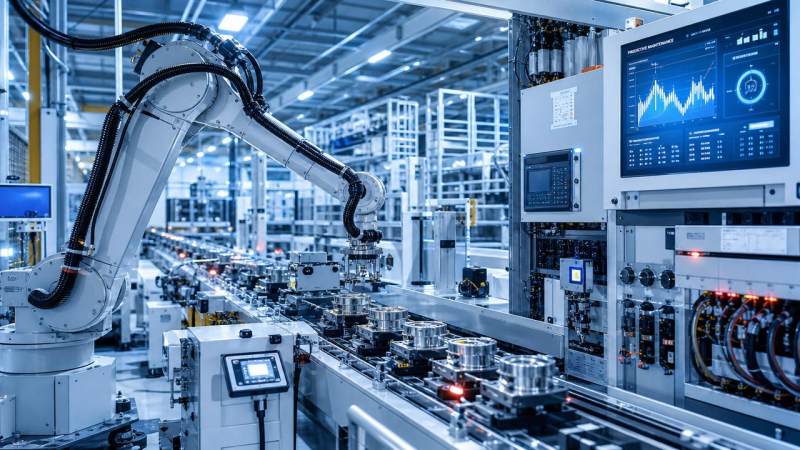
Industrial Automation Technology: ROI Signals for 2026
As 2026 investment cycles take shape, enterprise leaders are reassessing how industrial automation technology can deliver measurable ROI beyond labor savings.
From Vertical AI and predictive maintenance to sustainable material processing, the strongest signals now come from connected physical assets and real-time intelligence.
For decision makers, the question is no longer whether to automate, but which investments improve throughput, reduce risk, and defend advantage.
What Executives Are Really Trying to Decide
Enterprise buyers searching this topic are usually not looking for a definition. They are looking for investment clarity before budgets harden.
The central question is whether industrial automation technology can create measurable business outcomes in uncertain demand, volatile supply, and rising compliance pressure.
For 2026, the strongest ROI signal is not automation density. It is how effectively automation connects machines, materials, workflows, and decisions.
Projects that only replace manual effort may still pay back, but they rarely create strategic resilience or long-term operational differentiation.
Executives should therefore evaluate automation as a performance system, not as a collection of robots, sensors, controllers, and software licenses.
The ROI Lens Has Shifted Beyond Labor Savings
Labor efficiency remains important, especially in regions facing wage inflation, skills shortages, and workforce aging. Yet it is now only one ROI layer.
The higher-value gains come from uptime improvement, quality stabilization, energy optimization, faster changeovers, and lower exposure to supply chain disruption.
In many plants, downtime and scrap cost more than direct labor variance. Automation investments should target these hidden loss pools first.
A practical ROI model should quantify throughput uplift, defect reduction, maintenance avoidance, inventory compression, safety improvement, and customer service reliability.
Decision makers should ask whether the business case survives if labor savings are delayed, overstated, or offset by integration complexity.
Signal One: Vertical AI Becomes Operational, Not Experimental
Vertical AI is becoming one of the clearest 2026 signals for industrial automation technology because it is moving into production workflows.
Unlike general analytics, Vertical AI uses domain-specific models, process data, engineering constraints, and asset behavior to support real operating decisions.
The ROI appears when AI reduces decision latency, recommends corrective action, or predicts quality drift before production losses become visible.
Executives should prioritize use cases where AI is connected to measurable outcomes, such as yield, uptime, energy use, and compliance exceptions.
The strongest deployments pair AI with human oversight, documented process logic, and clear escalation rules rather than black-box automation.
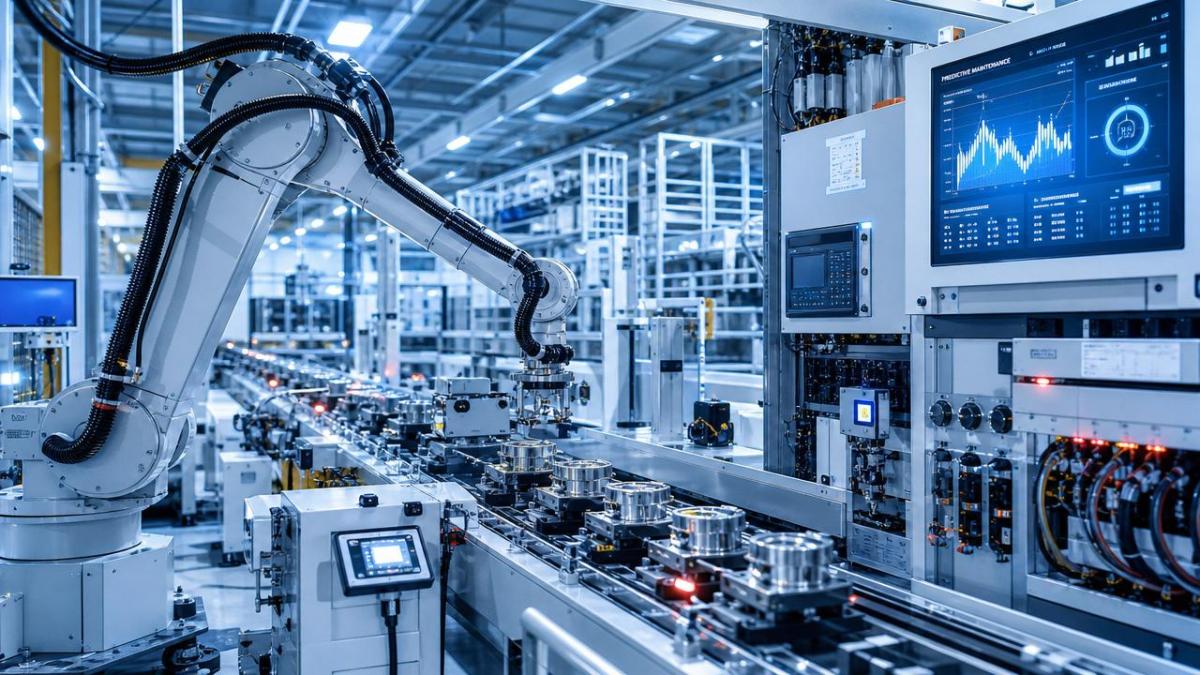
Signal Two: Predictive Maintenance Moves From Dashboard to Payback
Predictive maintenance has been discussed for years, but 2026 will separate serious programs from decorative dashboards and isolated pilot projects.
Payback depends on whether sensor data, maintenance history, spare parts planning, and production schedules are integrated into executable workflows.
A model that predicts failure but does not trigger timely action creates insight without financial impact. That distinction matters for executives.
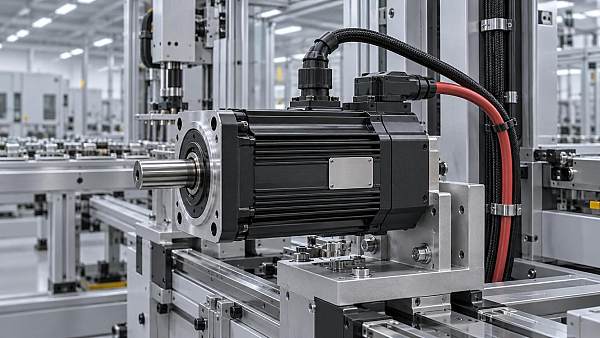
Effective programs reduce unplanned downtime, extend asset life, prevent catastrophic failure, and improve maintenance labor productivity across critical production lines.
The best candidates are bottleneck assets, high-cost equipment, safety-critical systems, and machines with measurable failure patterns or expensive stoppages.
Signal Three: Automation Supports Sustainable Material Processing
Sustainability is increasingly tied to cost, access, and customer qualification. Automation now plays a direct role in material efficiency.
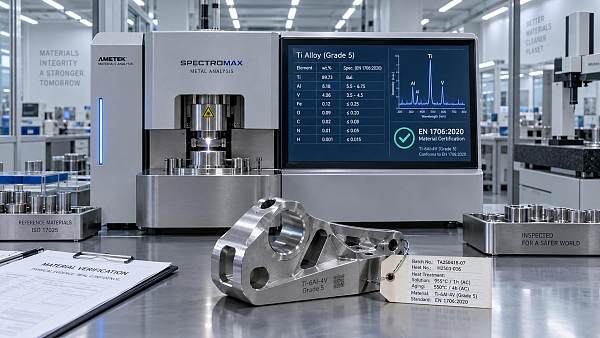
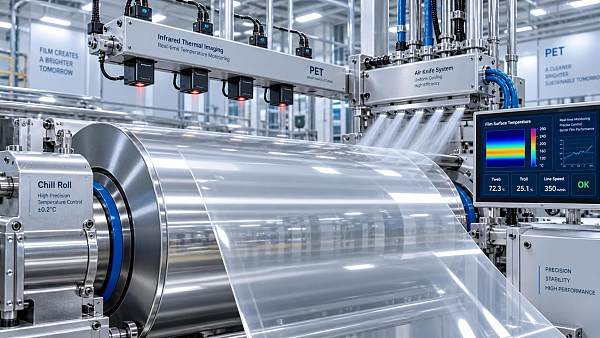
Advanced controls can reduce waste, improve thermal consistency, optimize chemical usage, and stabilize processes involving high-performance or sensitive materials.
For manufacturers using composites, specialty metals, polymers, coatings, or battery materials, process variation can destroy both margin and compliance confidence.
Industrial automation technology becomes valuable when it translates material science requirements into repeatable production parameters and auditable performance records.
Executives should evaluate whether automation helps meet environmental targets while also lowering scrap, rework, energy consumption, and regulatory risk.
Signal Four: Resilient Supply Networks Need Real-Time Plant Intelligence
Supply chain resilience is no longer only a procurement issue. It increasingly depends on real-time visibility inside factories and supplier ecosystems.
Automation systems that capture production status, capacity constraints, quality performance, and material consumption can improve enterprise planning accuracy.
When plant data remains fragmented, leaders make sourcing, inventory, and customer commitment decisions with delayed or incomplete information.
Connected automation enables faster response to shortages, demand swings, logistics disruption, and supplier quality problems before they cascade.
For global manufacturers, the ROI includes lower expediting costs, fewer missed shipments, better allocation decisions, and stronger customer trust.
How to Separate Strategic Automation From Expensive Modernization
Not every modernization project deserves strategic capital. New equipment can improve optics while leaving core business constraints untouched.
A strong automation investment begins with the constraint, not the technology. Leaders should identify the bottleneck limiting growth, margin, or resilience.
Then they should test whether automation changes that constraint materially, repeatedly, and at a cost the business can absorb.
Useful questions include: will this improve throughput, reduce variability, shorten lead time, or lower risk in a measurable way?
If the answer is unclear, the project may be a technology refresh rather than a strategic industrial automation technology investment.
The Metrics Executives Should Track Before Approving Capital
ROI discipline starts before procurement. Executives should establish a baseline for performance, cost leakage, and operational risk.
Relevant metrics include overall equipment effectiveness, unplanned downtime, first-pass yield, scrap rate, energy per unit, changeover time, and maintenance cost.
For customer-facing operations, leaders should also measure on-time delivery, order cycle time, complaint rates, and responsiveness to demand variation.
Financial modeling should include implementation cost, integration burden, training time, cybersecurity controls, data infrastructure, and post-deployment support requirements.
The most credible cases show payback scenarios under optimistic, expected, and stressed operating assumptions rather than one perfect projection.
Where Automation Investments Are Most Likely to Pay Back
The highest-return opportunities usually appear where complexity, volume, precision, or risk is already high and manual control is fragile.
Examples include high-mix manufacturing, precision assembly, continuous process industries, advanced material production, cold chain operations, and regulated environments.
Automation also pays when skilled labor is scarce, quality requirements are tightening, or customers demand shorter lead times.
In contrast, low-volume processes with unstable product designs may require flexible automation or staged investment rather than full-scale deployment.
Executives should match automation maturity to process maturity. Automating unstable processes often accelerates errors instead of eliminating them.
Integration Risk Is the Hidden ROI Killer
Many automation projects underperform because leaders underestimate integration across legacy equipment, enterprise systems, data architectures, and operating teams.
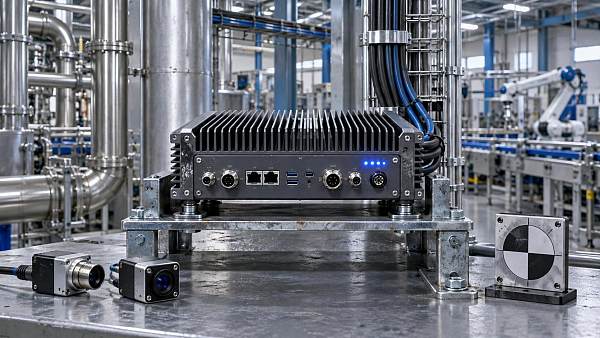
Hardware selection matters, but the harder challenge is connecting physical assets with reliable data flows and decision logic.
Integration failures create duplicated work, data gaps, cybersecurity vulnerabilities, and operator resistance, all of which weaken business outcomes.
A disciplined program defines interfaces, ownership, governance, cybersecurity requirements, and performance accountability before deployment begins.
For large enterprises, modular architecture is often safer than highly customized systems that become expensive to maintain or scale.
Cybersecurity and Data Governance Are Board-Level Issues
As automation becomes more connected, operational technology risk becomes business risk. A compromised system can halt production or expose sensitive data.
Executives should not treat cybersecurity as a late-stage technical add-on. It belongs inside the investment case from the beginning.
Key controls include network segmentation, access management, asset inventory, patch governance, incident response planning, and supplier security evaluation.
Data governance is equally important because AI, predictive maintenance, and optimization tools depend on trusted, contextualized, and usable information.
The best ROI cases recognize that secure, governed data is infrastructure for future automation value, not merely a compliance expense.
Build, Buy, or Partner: The 2026 Decision Framework
Executives must decide whether to build internal automation capabilities, buy integrated solutions, or partner with specialized ecosystem providers.
Building offers control and differentiation, but it requires scarce engineering talent, disciplined governance, and sustained executive sponsorship.
Buying can accelerate deployment, but leaders must assess vendor lock-in, interoperability, lifecycle support, and adaptability to future requirements.
Partnering is attractive when projects involve advanced materials, AI integration, benchmarking, or cross-border industrial ecosystem coordination.
The right model depends on strategic importance, internal maturity, risk tolerance, and the speed at which measurable outcomes are required.
A Practical Investment Roadmap for Enterprise Leaders
The first step is to rank operational constraints by financial impact, not by technological excitement or departmental preference.
The second step is to identify data readiness, equipment condition, process stability, and organizational capability for each priority area.
The third step is to run targeted pilots with predefined success metrics, executive ownership, and a path to scale.
The fourth step is to standardize architecture, cybersecurity, training, and supplier requirements before expanding across multiple facilities.
The final step is to review benefits after deployment and reinvest learnings into the next automation wave.
What Makes a 2026 Automation Business Case Credible
A credible business case is specific about which operational losses will be reduced and how those reductions will be verified.
It includes owners for technical delivery, process adoption, workforce readiness, data governance, and financial tracking after go-live.
It also explains what will happen if production demand changes, suppliers fail, regulations tighten, or technology assumptions prove inaccurate.
Boards and investment committees should look for measurable milestones, phased funding, and evidence that lessons can scale across the enterprise.
The best cases connect short-term payback with long-term strategic capability, including AI readiness, material efficiency, and network resilience.
Conclusion: The Best ROI Signal Is Connected Intelligence
Industrial automation technology in 2026 should be judged by business performance, not by the sophistication of individual tools.
The strongest investments connect physical assets, process knowledge, material requirements, and real-time intelligence into repeatable decisions.
For enterprise leaders, the winning approach is selective, metrics-driven, secure, and aligned with strategic constraints that truly affect competitiveness.
Automation that improves throughput, reduces risk, stabilizes quality, and strengthens supply resilience will justify capital more convincingly than labor savings alone.
The executive mandate is clear: automate where intelligence compounds operational advantage, and avoid projects that modernize without changing business outcomes.