As enterprises prepare for 2026, industrial innovation is shifting from isolated upgrades to connected operating systems that combine materials, automation, data, and supply resilience.
For decision-makers, the central question is not which technology looks advanced, but which investments improve throughput, reduce risk, and strengthen long-term competitiveness.
Why 2026 Industrial Innovation Requires an Ecosystem View
The strongest industrial performers in 2026 will not be those adopting the most tools, but those integrating technologies into measurable operating advantage.
Industrial innovation now depends on how physical assets, digital intelligence, workforce capability, supplier networks, and sustainability targets work together across the enterprise.
This matters because fragmented pilots often fail to scale, while ecosystem-based modernization connects investment decisions directly to productivity, resilience, and margin improvement.
For enterprise leaders, the practical implication is clear: technology roadmaps must be evaluated as operating models, not as procurement wish lists.
A factory sensor, predictive model, composite material, or robotic cell creates value only when embedded into planning, maintenance, sourcing, and governance processes.
By 2026, boards and executive teams will increasingly expect industrial innovation programs to show quantified effects on uptime, energy intensity, inventory exposure, and customer responsiveness.
Vertical AI Moves From Experimentation to Operational Decisioning
Vertical AI is becoming one of the most important forces shaping industrial operations because it is designed around sector-specific assets, workflows, and constraints.
Unlike generic AI platforms, Vertical AI models can interpret production variables, material behavior, maintenance histories, compliance rules, and supplier performance within a defined industrial context.
For executives, the value is not abstract intelligence; it is faster decisions in scheduling, quality control, asset utilization, procurement, and risk forecasting.
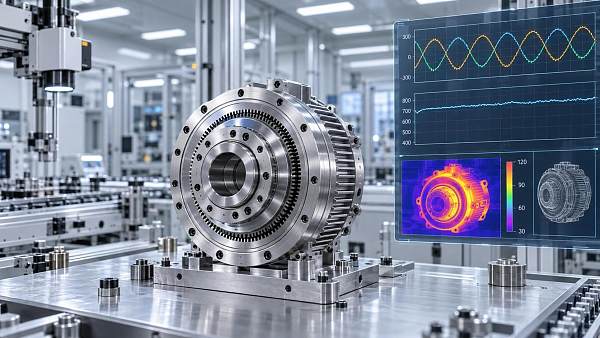
In 2026, leading companies will use Vertical AI to reduce decision latency between operational events and management action across complex industrial environments.
Examples include predicting machine failure before downtime, adjusting production parameters in real time, and identifying supplier bottlenecks before they affect delivery commitments.
The business case should be built around specific performance gaps, such as scrap reduction, energy optimization, labor productivity, or improved on-time fulfillment.
However, leaders must avoid treating AI as a standalone transformation. Data quality, process ownership, cybersecurity, and workforce trust determine whether models deliver value.
The most effective approach is to begin with high-value use cases, establish measurable baselines, and scale only after operational teams validate decisions.
Advanced Materials Become a Strategic Operations Lever
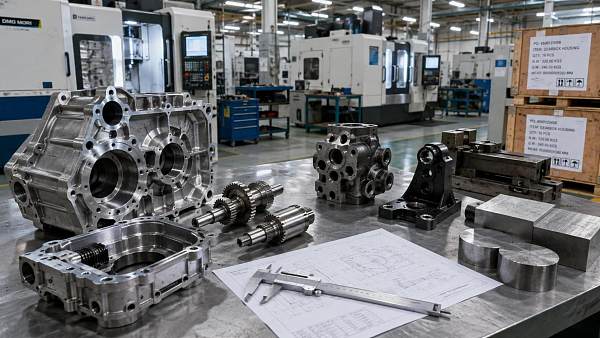
Material science is no longer a back-office engineering concern. It is becoming a strategic lever for performance, sustainability, cost control, and product differentiation.
In the economy of atoms, enterprises compete not only through software intelligence, but also through lighter, stronger, cleaner, and more durable physical inputs.
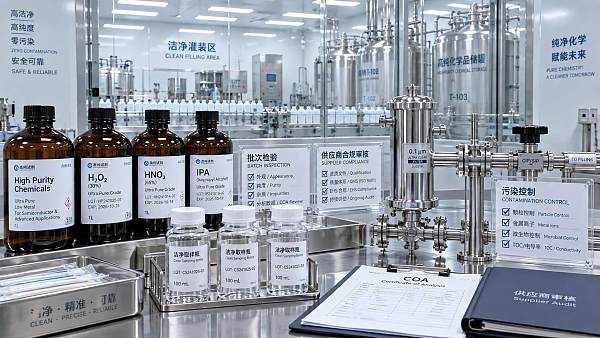
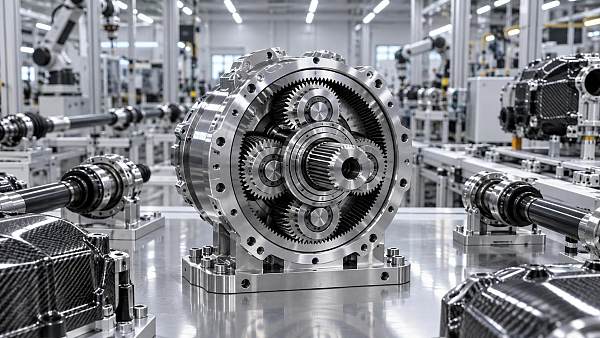
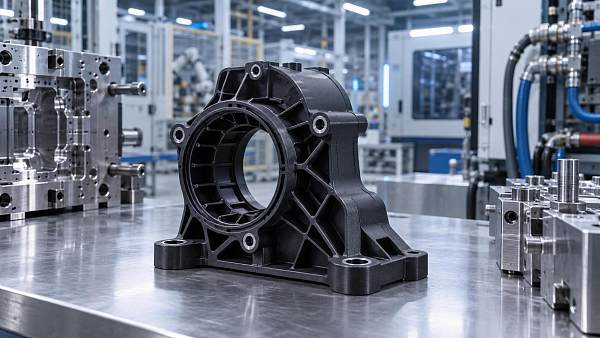
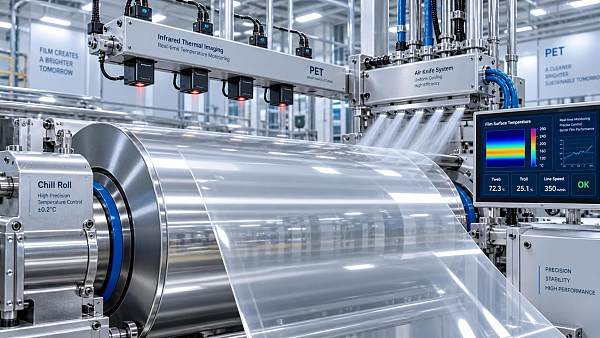
Advanced composites, engineered alloys, bio-based polymers, smart coatings, and recyclable high-performance materials can reshape product design and manufacturing economics.
For decision-makers, the key question is whether new materials create measurable lifecycle value, not simply whether they appear more innovative.
Evaluation should include unit cost, processing requirements, supplier maturity, regulatory exposure, recyclability, durability, and effects on logistics or maintenance.
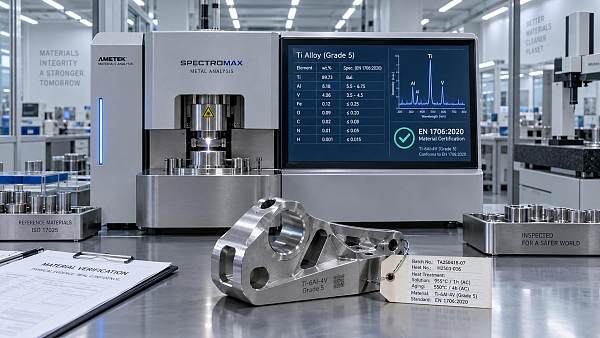
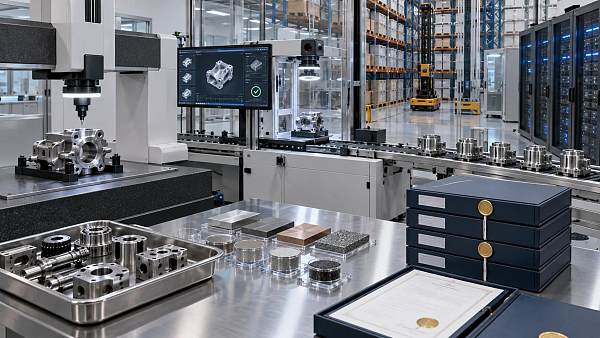
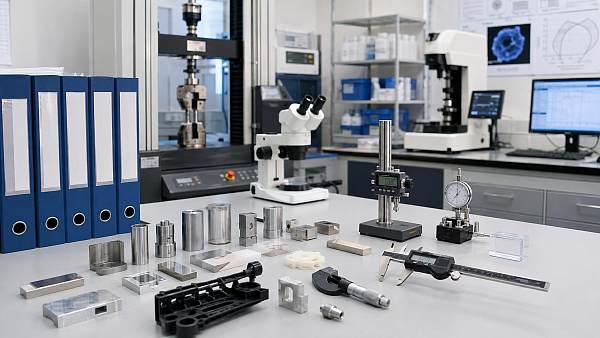
In 2026 operations, material selection will increasingly be linked with digital simulation, automated inspection, and traceability systems across the production chain.
This connection allows companies to shorten development cycles, reduce physical testing costs, and detect quality deviations earlier in production.
Enterprises that align materials strategy with automation and data infrastructure can build products that are more reliable, sustainable, and economically defensible.
Automation Shifts Toward Flexible, Human-Centered Systems
Industrial automation is entering a new phase where flexibility matters as much as speed, especially in markets facing demand volatility and labor constraints.
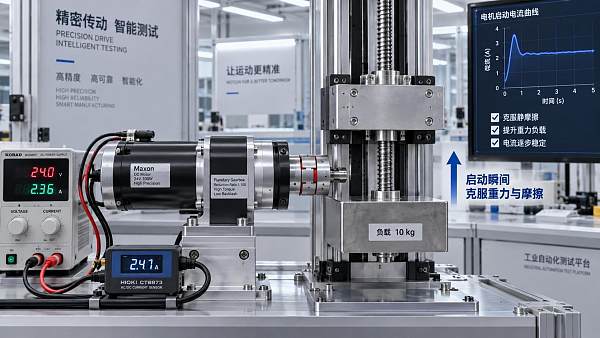
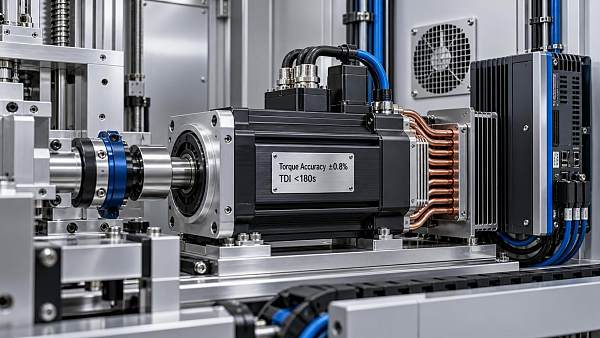
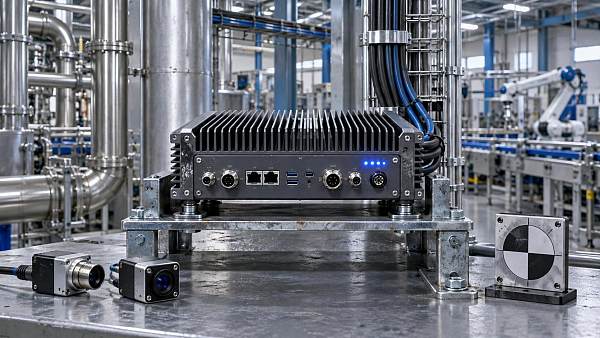
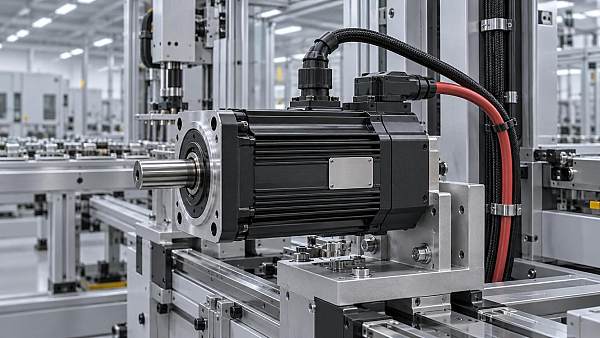
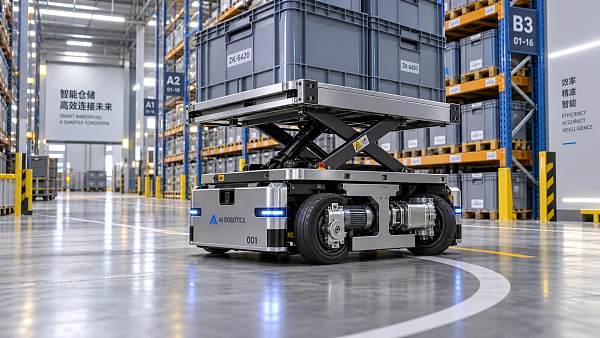
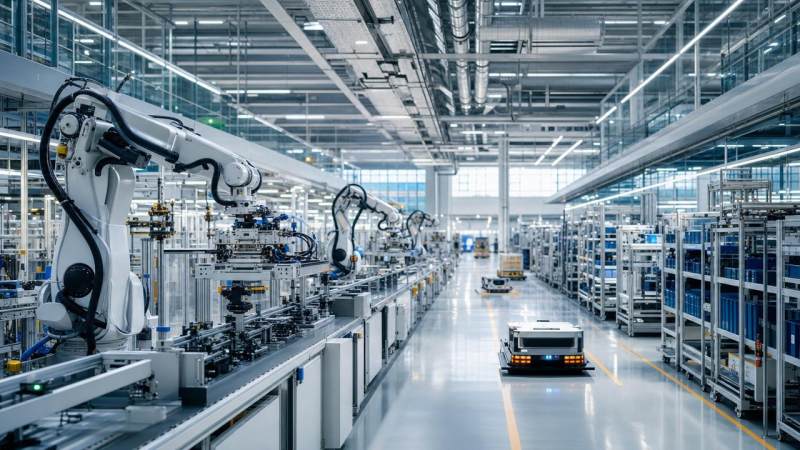
Rather than fully replacing workers, advanced automation increasingly augments teams through collaborative robots, autonomous mobile systems, machine vision, and intelligent work instructions.
For business leaders, the strongest automation cases are often found in repetitive, hazardous, quality-sensitive, or labor-constrained processes.
The return on investment should include more than labor savings. Reduced defects, faster changeovers, improved safety, and better capacity utilization are equally important.
Flexible automation also supports product variety, allowing manufacturers to respond to customer needs without building entirely separate production lines.
However, automation can underperform when deployed into unstable processes. Leaders should standardize workflows before adding robotics or autonomous systems.
A useful test is whether operators, engineers, and maintenance teams can clearly explain how automation changes decisions, responsibilities, and escalation procedures.
In 2026, successful automation programs will combine equipment investment with training, process redesign, data integration, and continuous improvement disciplines.
Resilient Supply Networks Replace Linear Supply Chains
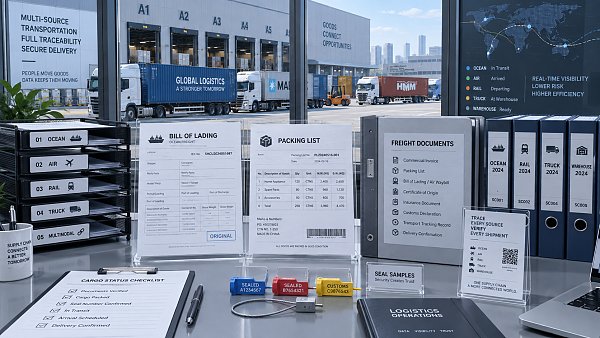
Recent disruptions have shown that efficiency without resilience can expose enterprises to material shortages, logistics delays, geopolitical shocks, and margin erosion.
By 2026, industrial innovation will increasingly focus on supply networks that are transparent, diversified, digitally monitored, and strategically segmented.
Decision-makers should move beyond simple cost comparisons and evaluate suppliers by reliability, technical capability, financial stability, sustainability performance, and data-sharing readiness.
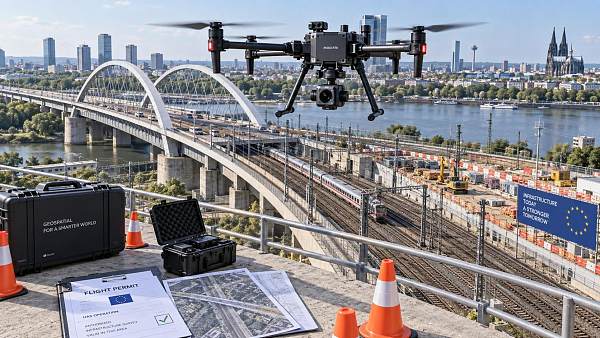
Digital twins, supplier intelligence platforms, and predictive risk analytics can help organizations identify weak links before disruption becomes operational damage.
Resilience does not mean duplicating every supplier or holding excessive inventory. It means designing optionality where failure would create severe business impact.
Critical components, scarce materials, and long-lead equipment deserve deeper visibility, alternative sourcing strategies, and executive-level risk ownership.
Procurement leaders should work closely with operations, engineering, and finance to classify materials by strategic importance and vulnerability.
This creates a more intelligent sourcing model, where cost optimization is balanced against continuity, quality, innovation access, and compliance requirements.
Sustainability Becomes an Operating Performance Metric
Sustainability is moving from reporting obligation to operating discipline, especially as customers, regulators, investors, and employees demand credible industrial progress.
For executives, the strongest sustainability initiatives are those that also improve efficiency, reduce waste, lower energy costs, or protect market access.
Industrial innovation in 2026 will connect carbon reduction with process optimization, material substitution, circular design, and energy management systems.
Facilities with better visibility into energy consumption can identify inefficient equipment, abnormal operating patterns, and opportunities for load shifting.
At the product level, sustainability decisions should account for full lifecycle impact, including sourcing, manufacturing, use-phase performance, repairability, and end-of-life recovery.
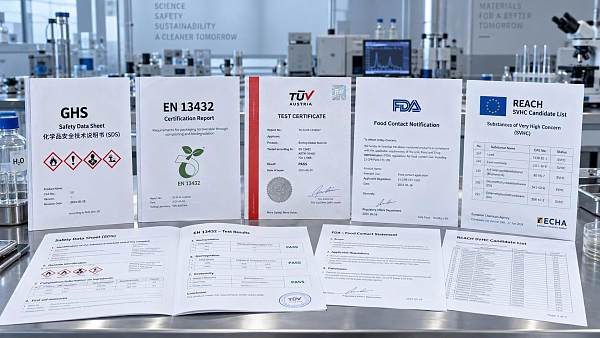
Green claims will face greater scrutiny, so data integrity and traceability are becoming essential parts of sustainability strategy.
Companies that treat sustainability as a measurable operating system can avoid compliance surprises while strengthening customer trust and procurement eligibility.
The most effective programs connect environmental targets to plant-level metrics, capital allocation, supplier selection, and product development decisions.
Cyber-Physical Security Becomes a Board-Level Requirement
As factories, assets, and supply networks become more connected, cyber risk increasingly becomes operational risk rather than only an information technology concern.
A breach affecting industrial control systems can disrupt production, compromise safety, expose intellectual property, or damage customer commitments.
In 2026, leaders should view cyber-physical security as a prerequisite for scaling industrial innovation, especially AI-enabled and remotely monitored systems.
Security planning should cover equipment connectivity, third-party access, cloud platforms, edge devices, legacy systems, and employee behavior.
Decision-makers need clear ownership between operational technology teams, information security leaders, plant managers, and external technology providers.
Risk assessments should be conducted before major automation, AI, or connected asset deployments, not after vulnerabilities appear.
The goal is not to slow modernization, but to ensure that connected operations remain reliable, recoverable, and trusted.
Enterprises that integrate cybersecurity into industrial design will scale innovation faster because stakeholders have greater confidence in operational continuity.
How Decision-Makers Should Prioritize 2026 Investments
With many competing technologies, executives need a disciplined framework for deciding where industrial innovation deserves capital, management attention, and organizational change.
The first filter is strategic relevance. Investments should directly support growth markets, productivity goals, resilience needs, compliance demands, or customer value creation.
The second filter is operational readiness. A technology cannot scale if data quality, process stability, talent capability, or governance is weak.
The third filter is measurable value. Leaders should define expected effects on cost, throughput, uptime, quality, emissions, working capital, or risk exposure.
The fourth filter is scalability. A pilot should be designed with future replication in mind, including standards, integration needs, and change management.
Finally, decision-makers should assess ecosystem maturity, including supplier capability, interoperability, technical support, and long-term roadmap alignment.
This approach prevents innovation budgets from being diluted across fashionable experiments that lack a credible path to enterprise-level impact.
It also encourages cross-functional accountability, ensuring that operations, procurement, engineering, finance, and digital teams evaluate value together.
Common Risks That Can Undermine Industrial Innovation
Many industrial innovation programs fail not because the technology is weak, but because the organization misunderstands implementation complexity.
One common risk is over-investing in platforms before defining the specific decisions or processes those platforms must improve.
Another risk is underestimating integration costs, especially when legacy equipment, disconnected data systems, and inconsistent plant standards are involved.
Talent gaps can also slow value realization. Engineers, operators, analysts, and managers may need new skills to work with intelligent systems.
Supplier dependency is another concern, particularly when proprietary technologies limit flexibility, negotiation power, or future interoperability.
Executives should also watch for pilot fatigue, where teams test many concepts but rarely standardize, fund, or scale the successful ones.
Strong governance reduces these risks by establishing decision rights, performance metrics, cybersecurity requirements, and clear criteria for scaling or stopping initiatives.
In practical terms, every innovation program should have a business owner, technical owner, financial baseline, and adoption plan.
What Future-Ready Industrial Operations Will Look Like
By 2026, future-ready industrial operations will be defined by faster learning cycles, greater visibility, and stronger alignment between physical and digital systems.
Plants will use real-time data to detect deviations earlier, optimize assets continuously, and support more precise planning decisions.
Supply networks will be more transparent, allowing enterprises to shift sourcing, adjust inventory, and manage disruptions with greater confidence.
Materials decisions will be integrated with design, sustainability, production, and lifecycle economics rather than treated as isolated engineering choices.
Automation will be more adaptive, supporting human teams while improving safety, consistency, and throughput across variable production environments.
Most importantly, executive teams will evaluate innovation through business outcomes, not technology labels or isolated digital maturity scores.
This creates a practical definition of industrial innovation: the disciplined conversion of scientific, digital, and operational capability into measurable enterprise advantage.
Organizations that adopt this mindset will be better prepared for uncertainty, customer pressure, regulatory change, and global competition.
Conclusion: Building Competitive Advantage Through Integrated Innovation
Industrial innovation shaping 2026 operations is not a single technology wave. It is the convergence of intelligence, materials, automation, resilience, and sustainability.
For enterprise decision-makers, the priority is to identify where these forces solve real operational constraints and create defensible business value.
The winning organizations will not pursue every emerging trend. They will prioritize innovations that improve performance, reduce risk, and scale across the enterprise.
By aligning physical assets with digital intelligence, companies can build industrial systems that are more adaptive, efficient, secure, and future-ready.
In that environment, industrial innovation becomes more than modernization. It becomes a strategic capability for competing in the next era of global industry.