Search News
Industry Portal
Popular Tags
Advanced Materials for Industrial Automation: How to Compare Durability

Author
Time
Click Count
Choosing advanced materials for industrial automation now depends on proven durability, not simple price comparisons. Operating environments have become harsher, faster, and more data-driven across the broader industrial landscape.
As robotics, sensing, power electronics, and connected production systems converge, advanced materials for industrial automation must perform across heat, friction, chemicals, vibration, and continuous cycling.
That shift changes how durability should be compared. Static specifications matter less than application-specific evidence, lifecycle cost modeling, and failure-mode analysis under realistic service conditions.
This article explains the trend behind tougher evaluation standards, the forces shaping material selection, and practical ways to compare advanced materials for industrial automation with greater confidence.
Durability benchmarking is becoming a strategic requirement

Industrial systems now run with tighter tolerances, longer duty cycles, and higher automation density. Under these conditions, material failure can disrupt uptime, precision, safety, and energy efficiency at the same time.
That is why advanced materials for industrial automation are being evaluated more like performance assets than commodity inputs. Durability has become a measurable business variable.
Another clear signal is the rise of cross-functional review. Material decisions increasingly connect engineering, digital maintenance, sustainability reporting, and total cost control within one decision framework.
What has changed in real operating environments
- Higher speeds increase wear, heat build-up, and fatigue sensitivity.
- Compact designs raise thermal stress around motors, drives, and housings.
- Mixed-material assemblies create new compatibility and galvanic corrosion risks.
- Smarter maintenance systems expose weak durability assumptions earlier.
- Sustainability pressure rewards longer service life and lower replacement frequency.
The market is moving from nominal specs to application evidence
A datasheet may show tensile strength, hardness, or temperature limits. Yet those numbers rarely explain how advanced materials for industrial automation behave inside real motion systems or corrosive production zones.
The stronger trend is comparative validation. Teams want side-by-side evidence covering abrasion, creep, chemical attack, impact loading, insulation stability, and contamination exposure.
This is especially important in comprehensive industrial sectors where one platform may serve food processing, electronics assembly, heavy equipment, and clean-energy manufacturing.
Why the comparison standard is rising
How to compare advanced materials for industrial automation more accurately
A reliable comparison starts by matching the material to the failure mechanism. Different automation components fail for different reasons, even inside the same production line.
For that reason, advanced materials for industrial automation should be reviewed against the dominant stress profile before cost or supply assumptions are finalized.
Key durability dimensions to compare
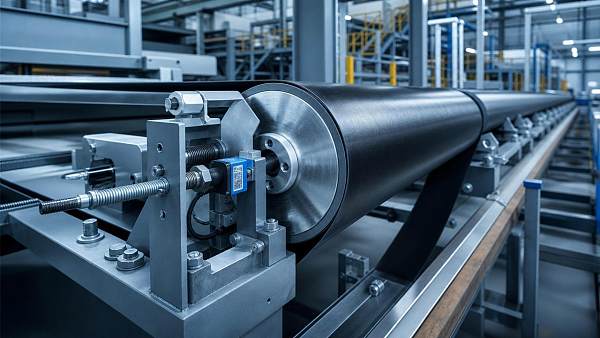
- Wear resistance: useful for gears, guides, rollers, seals, and sliding interfaces.
- Thermal stability: critical near drives, control enclosures, and heated process zones.
- Corrosion performance: essential in wet, chemical, or outdoor installations.
- Fatigue behavior: important for repeated motion, impact, and vibration exposure.
- Dimensional stability: vital for precision positioning and sensor alignment.
- Electrical behavior: relevant for insulation, static control, and signal reliability.
Questions that improve comparison quality
- What exact load, speed, and cycle conditions define the application?
- Which failure mode would stop performance first?
- How do humidity, chemicals, and contaminants change durability outcomes?
- Does the material keep tolerance stability over time?
- What is the replacement interval under realistic maintenance conditions?
Different industrial functions feel the impact in different ways
The implications of advanced materials for industrial automation are not limited to component life. They affect uptime planning, validation effort, digital monitoring, and sustainability performance across industrial operations.
In motion assemblies, durability often determines cycle precision and maintenance intervals. In enclosures and connectors, it may decide sealing integrity, corrosion resistance, and electrical reliability.
Material choice also influences integration speed. Stable, well-characterized materials reduce redesign loops when automation systems move across regions, climates, or regulatory environments.
Examples by business or operating area
What deserves closer attention before making a final decision
Shortlists should focus on evidence quality, not only material category. Two high-performance polymers or alloys may behave very differently once lubrication, load spikes, and cleaning agents are introduced.
- Check whether test data reflects the actual temperature range and duty cycle.
- Review compatibility with adjacent metals, coatings, adhesives, and fluids.
- Look for field-life evidence, not just laboratory peak values.
- Assess processing consistency, since manufacturing variation affects durability.
- Include recyclability, repair frequency, and embodied resource efficiency.
For advanced materials for industrial automation, the best option is often the one with the lowest variability, not the highest headline property.
A stronger response is to build a repeatable comparison framework
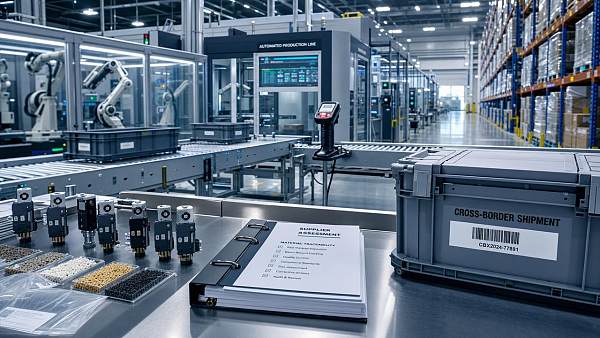
A structured framework makes future evaluations faster and more defensible. It also helps compare advanced materials for industrial automation across multiple plants, product lines, or operating regions.
A practical response model
- Define the component’s main stressors and failure consequences.
- Rank durability metrics by business impact, not tradition.
- Use comparable test methods across candidate materials.
- Add lifecycle cost, replacement labor, and downtime risk.
- Validate assumptions with pilot use or monitored field trials.
The next step is to compare durability with evidence, not assumptions
The future of advanced materials for industrial automation will be shaped by integrated performance expectations. Materials must support automation speed, digital transparency, resilience, and sustainability together.
That means durability comparisons should move beyond generic grades and isolated mechanical values. Stronger decisions come from linking material behavior to real service conditions and lifecycle outcomes.
A useful next action is to build a comparison matrix for current applications, then test each candidate against wear, heat, corrosion, fatigue, and replacement economics. That approach makes advanced materials for industrial automation easier to assess and justify.
Recommended News
 Jun 01, 2026Custom Makeup Bags: Material Choices and Cost TrapsCustom makeup bags sourcing guide: compare materials, avoid hidden cost traps, and choose smarter specs for durable, compliant, brand-ready cosmetic bags.
 Jun 01, 2026Consumer Sector Trends Shaping Product DemandConsumer sector trends are reshaping product demand through sustainability, AI personalization, and resilient supply chains—discover strategies to stay competitive.
 Jun 01, 2026Baby Clothing Safety Standards That Matter in 2026Baby clothing safety standards in 2026: learn key checks for chemicals, labels, fasteners, sleepwear and fabrics to choose safer, trusted garments with confidence.
 Jun 01, 2026Electric Toothbrush OEM: Cost vs Quality ChecklistElectric toothbrush OEM cost vs quality checklist: compare suppliers, components, compliance, customization, and TCO to reduce risk and build reliable oral-care products.
 Jun 01, 2026Product Compliance Risks to Check Before LaunchProduct compliance risks can delay launches and trigger recalls. Learn key checks for materials, testing, labeling, suppliers, and documentation before market release.
 Jun 01, 2026EU Proposes PFAS Migration Limits for Barrier Films under REACH Annex XVIIPFAS migration limits for barrier films: EU proposes ≤25 ng/cm² under REACH Annex XVII—key implications for exporters, manufacturers & labs. Act now.
 Jun 01, 2026Humanoid Robot Online Sales Up 20.6% in April, Driving Global Demand for Harmonic ReducersHarmonic reducers in high demand as humanoid robot online sales surge 20.6%—key insight for robotics suppliers, distributors & logistics providers.
 Jun 01, 2026New MOFCOM Rule: Bio-Plastics Agricultural Films Exported to ASEAN, Latin America Require ISO 17987:2025 Migration Testing from June 2026Bio-plastics agricultural films exported to ASEAN & Latin America must pass ISO 17987:2025 migration testing from June 2026—act now to avoid delays!
 Jun 01, 2026Vietnam Cement Expo Highlights Functional Coatings and Engineering Resins IntegrationVietnam Cement Expo 2026 spotlighted Functional Coatings and Engineering Resins integration—transforming how Southeast Asian infrastructure buyers select advanced concrete admixtures.
 Jun 01, 2026China Implements Export Spot Checks on Electronic-Grade Chemicals from June 1, 2026Electronic-grade chemicals export spot checks start June 1, 2026 in China — key update for semiconductor & electronics supply chains. Stay compliant & avoid delays.
 May 31, 2026Cast Iron Dumbbells Wholesale: Price and Quality ChecksCast iron dumbbells wholesale buyers: compare price, weight accuracy, coatings, packaging, and supplier reliability to cut defects and source with confidence.
 May 31, 2026Industrial Digitalization Risks Before System UpgradesIndustrial digitalization upgrades can expose hidden asset, data, cybersecurity, and workflow risks. Use this checklist to protect continuity and maximize long-term value.
 May 31, 2026Industrial Innovation Trends Shaping 2026 OperationsIndustrial innovation is reshaping 2026 operations through AI, automation, advanced materials, resilient supply networks, and smarter sustainability strategies.
 May 31, 2026Custom Cosmetic Packaging Costs: Hidden Factors to KnowCustom cosmetic packaging costs go beyond unit price. Discover hidden factors in materials, tooling, compliance, MOQs, and logistics to protect margins and launch smarter.
 May 31, 2026Best Cabinet Locks for Baby Proofing: What to CheckCabinet locks baby proofing made simple: compare magnetic, adhesive, latch, and handle locks to protect toddlers and choose safer, parent-friendly options.
 May 31, 2026Vietnam Mandates Migration Testing for Bio-Plastic Agri-FilmsVietnam mandates migration testing for bio-plastic agri-films under ISO 17971:2025—key compliance update for exporters, compounders & labs. Act now!
 May 31, 2026DBDPE Added to REACH SVHC Candidate List: Impurity Profiling Required for Electronic-Grade Chemical ExportsDBDPE added to REACH SVHC list—electronic-grade chemical exporters must now conduct impurity profiling & SCIP notifications for EU compliance.
 May 31, 2026EU IMERA Regulation Enters Force: Harmonic Reducer Imports Face Supply Chain ScrutinyEU IMERA Regulation now in force: Harmonic reducer imports face strict supply chain transparency rules—act now to avoid delays & ensure EU market access.
 May 30, 2026Wholesale Cosmetic Sponges: Cost vs Quality ChecksWholesale cosmetic sponges sourcing made smarter: compare cost, material safety, durability, packaging, and supplier quality checks before bulk buying.
 May 30, 2026Industrial Automation Technology: ROI Signals for 2026Industrial automation technology ROI signals for 2026: see how AI, predictive maintenance, connected data, and resilient operations guide smarter capital decisions.
 May 30, 2026Belt Tension and Friction Metrics: What to TrackBelt tension and friction metrics reveal slip, wear, energy loss, and reliability risks—learn what to track for smarter maintenance and automation performance.
 May 30, 2026Squeaky Plush Dog Toys: Safety Checks Before BuyingSqueaky plush dog toys can delight dogs safely—learn key buying checks for fabric, seams, squeaker placement, size, and materials before you choose.
 May 30, 2026Global Buyers: Supplier Risk Signals in 2026Global buyers can spot 2026 supplier risk signals early—financial stress, compliance gaps, digital weakness, and material exposure—to secure resilient sourcing.
 May 30, 2026Vietnam Introduces Ban-and-Disclosure List for Pesticide/Biocide Actives; Bio-Plastic Mulch Exporters Must Submit Migration DataVietnam’s new ban-and-disclosure list for pesticide/biocide actives impacts bio-plastic mulch exporters—submit migration data by July 1, 2026 to avoid shipment delays.