Search News
Industry Portal
Popular Tags
DBDPE Added to REACH SVHC Candidate List: Impurity Profiling Now Required for Electronic-Grade Chemical Exports

Author
Time
Click Count
Effective 5 May 2026, the brominated flame retardant decabromodiphenyl ethane (DBDPE) was officially added to the REACH Regulation’s Candidate List of Substances of Very High Concern (SVHC). This regulatory change directly impacts manufacturers and exporters of electronic-grade chemicals used in PCB substrates, semiconductor packaging, and high-reliability electronics across global supply chains.

Confirmed Regulatory Update
As of 5 May 2026, DBDPE has been included in the REACH SVHC Candidate List. The substance is widely employed in electronic encapsulation resins, printed circuit board (PCB) base materials, and high-reliability electronic chemicals. Under REACH, any electronic-grade chemical product containing DBDPE above 0.1% w/w by weight must comply with three mandatory obligations within six months: (1) notification to the European Chemicals Agency (ECHA); (2) revision of Safety Data Sheets (SDS); and (3) submission of updated information to the SCIP database. In response, EU-based downstream users—including several semiconductor packaging facilities—have initiated supplier traceability inquiries and temporarily suspended acceptance of batches lacking validated DBDPE impurity test reports.
Supply Chain Impact by Stakeholder Role
Exporters and International Traders
These entities face immediate compliance pressure at the point of customs clearance and contractual delivery. Failure to provide verified impurity profiling data may result in shipment rejection, delayed customs release, or breach of commercial terms with EU buyers.
Raw Material Procurement Teams
Purchasing departments must now verify DBDPE content not only in final formulations but also in upstream intermediates and polymer additives. Supplier declarations alone are no longer sufficient; third-party analytical reports confirming absence or quantified levels below 0.1% w/w are becoming a de facto procurement prerequisite.
Electronics Chemical Manufacturers
Production units must integrate DBDPE screening into routine quality control protocols—particularly for products designated as 'electronic grade'. Process adjustments may be needed if legacy suppliers introduce DBDPE-containing stabilizers or flame-retardant masterbatches without disclosure.
Supply Chain Compliance Service Providers
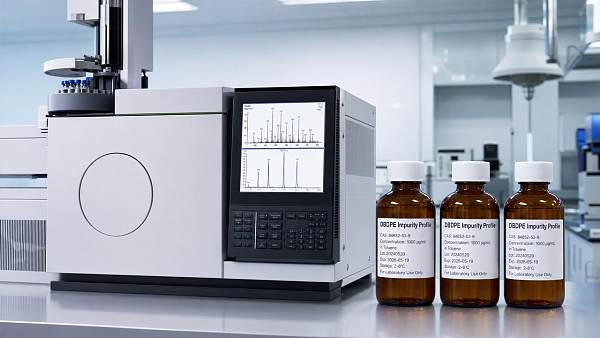
Laboratories, regulatory consultants, and SDS authoring services are seeing increased demand for targeted DBDPE impurity profiling (e.g., GC-MS/MS analysis), SCIP dossier preparation, and REACH notification support—especially for non-EU manufacturers unfamiliar with ECHA’s IUCLID submission workflows.
Key Compliance Actions for Affected Companies
Conduct Immediate Substance Screening Across Product Lines
Identify all electronic-grade chemical SKUs potentially containing DBDPE—either intentionally added or introduced unintentionally via contaminated raw materials or recycling streams—and prioritize analytical testing accordingly.
Update Technical Documentation Within Six Months
Revise SDS sections 2 (Hazard Identification), 3 (Composition), and 15 (Regulatory Information); ensure SCIP submissions reflect accurate concentration thresholds and material declarations aligned with Article 33 obligations.
Strengthen Supplier Qualification Protocols
Require certified analytical reports—not just self-declarations—from all material suppliers handling flame-retardant additives, polymer modifiers, or recycled content. Incorporate DBDPE screening clauses into new purchase agreements.
Reassess Export Delivery Timelines
Account for potential delays from extended lab turnaround times for impurity profiling, ECHA notification processing, and customer validation cycles—especially where EU chip assembly partners enforce strict 'no DBDPE report, no receipt' policies.
Industry Perspective: Beyond Compliance Toward Strategic Resilience
Analysis shows that this listing marks a broader shift toward granular substance-level accountability in electronics chemistry supply chains—not just for end-of-life compliance, but for real-time process transparency. From an industry perspective, the 0.1% w/w threshold effectively transforms DBDPE from a functional additive into a regulated contaminant in high-purity applications. What deserves closer attention is how rapidly downstream electronics OEMs and OSATs are converting regulatory requirements into technical purchasing gates—turning SCIP submissions and impurity reports into de facto entry requirements for qualification. Observably, companies investing early in analytical infrastructure and supplier collaboration frameworks are gaining measurable advantage in tender responsiveness and audit readiness.
Taking Stock: A Threshold Moment for Electronics Chemistry Governance
This development signals more than a procedural update—it reflects the tightening convergence of chemical safety regulation and advanced electronics manufacturing standards. Rather than representing a temporary hurdle, the DBDPE listing underscores an irreversible trend: electronic-grade materials are now subject to the same substance-level scrutiny as pharmaceutical excipients or medical device polymers. Rational preparedness—not reactive remediation—will define competitive positioning in EU-facing markets going forward.
Source Transparency and Ongoing Monitoring
This article synthesizes information provided in the original briefing: title, event date (5 May 2026), and factual summary. Specific official source links were not provided in the input and should be verified continuously. Stakeholders are advised to monitor updates from ECHA, national REACH enforcement authorities, and sector-specific guidance issued by CEAP (Chemical Industry Association of Europe) and IPC (Association Connecting Electronics Industries), particularly regarding interpretation of 'electronic grade', acceptable detection limits, and enforcement timelines for notification and SCIP updates.
Recommended News
 Jun 01, 2026Custom Makeup Bags: Material Choices and Cost TrapsCustom makeup bags sourcing guide: compare materials, avoid hidden cost traps, and choose smarter specs for durable, compliant, brand-ready cosmetic bags.
 Jun 01, 2026Consumer Sector Trends Shaping Product DemandConsumer sector trends are reshaping product demand through sustainability, AI personalization, and resilient supply chains—discover strategies to stay competitive.
 Jun 01, 2026Baby Clothing Safety Standards That Matter in 2026Baby clothing safety standards in 2026: learn key checks for chemicals, labels, fasteners, sleepwear and fabrics to choose safer, trusted garments with confidence.
 Jun 01, 2026Electric Toothbrush OEM: Cost vs Quality ChecklistElectric toothbrush OEM cost vs quality checklist: compare suppliers, components, compliance, customization, and TCO to reduce risk and build reliable oral-care products.
 Jun 01, 2026Product Compliance Risks to Check Before LaunchProduct compliance risks can delay launches and trigger recalls. Learn key checks for materials, testing, labeling, suppliers, and documentation before market release.
 Jun 01, 2026EU Proposes PFAS Migration Limits for Barrier Films under REACH Annex XVIIPFAS migration limits for barrier films: EU proposes ≤25 ng/cm² under REACH Annex XVII—key implications for exporters, manufacturers & labs. Act now.
 Jun 01, 2026Humanoid Robot Online Sales Up 20.6% in April, Driving Global Demand for Harmonic ReducersHarmonic reducers in high demand as humanoid robot online sales surge 20.6%—key insight for robotics suppliers, distributors & logistics providers.
 Jun 01, 2026New MOFCOM Rule: Bio-Plastics Agricultural Films Exported to ASEAN, Latin America Require ISO 17987:2025 Migration Testing from June 2026Bio-plastics agricultural films exported to ASEAN & Latin America must pass ISO 17987:2025 migration testing from June 2026—act now to avoid delays!
 Jun 01, 2026Vietnam Cement Expo Highlights Functional Coatings and Engineering Resins IntegrationVietnam Cement Expo 2026 spotlighted Functional Coatings and Engineering Resins integration—transforming how Southeast Asian infrastructure buyers select advanced concrete admixtures.
 Jun 01, 2026China Implements Export Spot Checks on Electronic-Grade Chemicals from June 1, 2026Electronic-grade chemicals export spot checks start June 1, 2026 in China — key update for semiconductor & electronics supply chains. Stay compliant & avoid delays.
 May 31, 2026Cast Iron Dumbbells Wholesale: Price and Quality ChecksCast iron dumbbells wholesale buyers: compare price, weight accuracy, coatings, packaging, and supplier reliability to cut defects and source with confidence.
 May 31, 2026Industrial Digitalization Risks Before System UpgradesIndustrial digitalization upgrades can expose hidden asset, data, cybersecurity, and workflow risks. Use this checklist to protect continuity and maximize long-term value.
 May 31, 2026Industrial Innovation Trends Shaping 2026 OperationsIndustrial innovation is reshaping 2026 operations through AI, automation, advanced materials, resilient supply networks, and smarter sustainability strategies.
 May 31, 2026Custom Cosmetic Packaging Costs: Hidden Factors to KnowCustom cosmetic packaging costs go beyond unit price. Discover hidden factors in materials, tooling, compliance, MOQs, and logistics to protect margins and launch smarter.
 May 31, 2026Best Cabinet Locks for Baby Proofing: What to CheckCabinet locks baby proofing made simple: compare magnetic, adhesive, latch, and handle locks to protect toddlers and choose safer, parent-friendly options.
 May 31, 2026Vietnam Mandates Migration Testing for Bio-Plastic Agri-FilmsVietnam mandates migration testing for bio-plastic agri-films under ISO 17971:2025—key compliance update for exporters, compounders & labs. Act now!
 May 31, 2026DBDPE Added to REACH SVHC Candidate List: Impurity Profiling Required for Electronic-Grade Chemical ExportsDBDPE added to REACH SVHC list—electronic-grade chemical exporters must now conduct impurity profiling & SCIP notifications for EU compliance.
 May 31, 2026EU IMERA Regulation Enters Force: Harmonic Reducer Imports Face Supply Chain ScrutinyEU IMERA Regulation now in force: Harmonic reducer imports face strict supply chain transparency rules—act now to avoid delays & ensure EU market access.
 May 30, 2026Wholesale Cosmetic Sponges: Cost vs Quality ChecksWholesale cosmetic sponges sourcing made smarter: compare cost, material safety, durability, packaging, and supplier quality checks before bulk buying.
 May 30, 2026Industrial Automation Technology: ROI Signals for 2026Industrial automation technology ROI signals for 2026: see how AI, predictive maintenance, connected data, and resilient operations guide smarter capital decisions.
 May 30, 2026Belt Tension and Friction Metrics: What to TrackBelt tension and friction metrics reveal slip, wear, energy loss, and reliability risks—learn what to track for smarter maintenance and automation performance.
 May 30, 2026Squeaky Plush Dog Toys: Safety Checks Before BuyingSqueaky plush dog toys can delight dogs safely—learn key buying checks for fabric, seams, squeaker placement, size, and materials before you choose.
 May 30, 2026Global Buyers: Supplier Risk Signals in 2026Global buyers can spot 2026 supplier risk signals early—financial stress, compliance gaps, digital weakness, and material exposure—to secure resilient sourcing.
 May 30, 2026Vietnam Introduces Ban-and-Disclosure List for Pesticide/Biocide Actives; Bio-Plastic Mulch Exporters Must Submit Migration DataVietnam’s new ban-and-disclosure list for pesticide/biocide actives impacts bio-plastic mulch exporters—submit migration data by July 1, 2026 to avoid shipment delays.