Search News
Industry Portal
Popular Tags
China Extends Zero-Tariff Access to All African Diplomatic Partners: Cost Drop for Functional Coatings & Engineering Resins Exports
Author
Time
Click Count
Effective 1 May 2026, China has implemented full zero-tariff treatment for imports from 20 non-Least Developed Countries (non-LDCs) with which it maintains diplomatic relations in Africa — significantly lowering landed costs for high-value industrial materials including Functional Coatings and Engineering Resins.
Policy Rollout Confirmed as of 1 May 2026
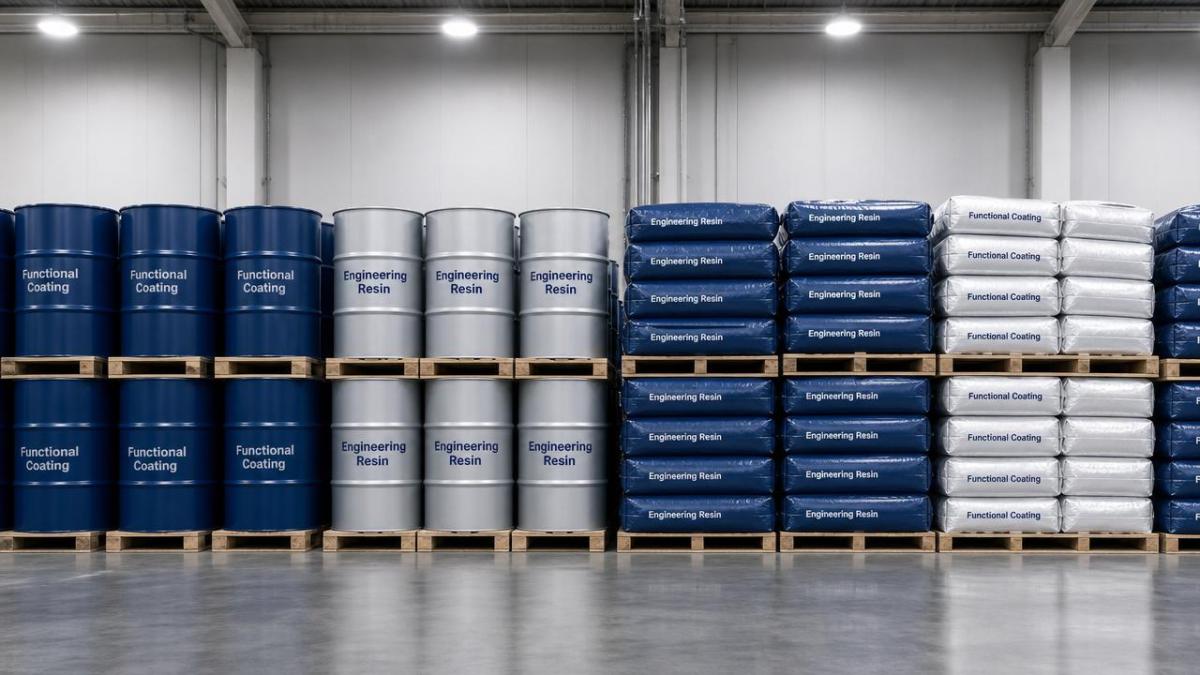
Beginning 1 May 2026, China applies zero import tariffs on Functional Coatings and Engineering Resins imported from 20 African countries that are not classified as Least Developed Countries and maintain formal diplomatic ties with China. Tariff rates previously ranging from 8% to 12% for these products have been eliminated entirely. Importers in South Africa, Algeria, and other qualifying nations are now procuring Chinese-made coating systems and specialty engineering plastics at duty-free rates. This tariff removal coincides with growing local value-add activities — including regional coating formulation hubs and compounded plastic distribution networks — supported by enhanced import cost efficiency.
Impact Across Key Industry Stakeholders
Export-oriented trading companies
Direct exporters of Functional Coatings and Engineering Resins face immediate margin improvement opportunities due to reduced customs duties borne by African importers. However, competitive pressure may rise as more suppliers enter price-sensitive tenders; companies must now differentiate through technical documentation, regulatory alignment, and localized support capabilities — not just pricing.
Raw material procurement firms
Firms sourcing base resins, pigments, or additives for downstream coating or compounding operations in Africa may reassess supply chain configurations. With lower import barriers for finished Functional Coatings, some may shift from local blending to direct import of pre-formulated systems — affecting demand for certain intermediates and requiring revised inventory and qualification planning.
Contract manufacturing & finishing service providers
Regional coating application centers and plastic modification facilities in South Africa and Algeria are accelerating investment plans. The zero-tariff regime improves their input cost structure and strengthens business cases for vertical integration — especially where local processing adds certified performance attributes (e.g., corrosion resistance, thermal stability) required for infrastructure or automotive projects.
Logistics and trade compliance service providers
Third-party customs brokers and certification agencies face increased demand for origin verification, preferential tariff certificate preparation (e.g., Form A), and documentation alignment with African national standards (e.g., SANS, GAES). Timely issuance of compliant certificates of origin and product-specific conformity statements will become critical differentiators.
Key Operational Priorities for Exporters
Verify origin eligibility and certificate requirements
Not all African countries qualify — only the 20 non-LDC diplomatic partners are included. Exporters must confirm beneficiary country status and prepare accurate, audit-ready Certificate of Origin (Form A) aligned with China’s Generalized System of Preferences (GSP) implementation rules.
Align technical specifications with regional application standards
Functional Coatings deployed in African infrastructure or energy projects often require compliance with local environmental exposure classifications (e.g., ISO 12944 C4–C5), VOC limits, or fire safety norms (e.g., SANS 10177). Pre-submission of test reports against these benchmarks supports faster tender evaluation and reduces post-award compliance risk.
Review packaging, labeling, and multilingual documentation
African import regulations increasingly mandate bilingual (English + French/Arabic) safety data sheets (SDS), labels, and technical brochures. Engineering Resins exported for compounding must include polymer identification codes, thermal processing windows, and compatibility guidance validated under regional climatic operating conditions.
Strengthen post-import technical support capacity
With African distributors expanding regional coating centers, demand is rising for on-site application training, substrate compatibility testing, and failure analysis support. Exporters should map local technical service partnerships and ensure traceability systems meet African quality assurance expectations (e.g., ISO 9001-aligned batch records).
Strategic Implications: Beyond Tariff Reduction
Analysis shows this policy shift signals a broader recalibration of China–Africa industrial cooperation — moving beyond raw material exports toward co-developed, application-integrated solutions. From an industry perspective, the zero-tariff access is more appropriately understood as an enabler for deeper localization: African importers are not merely cutting costs, but actively building regional finishing and compounding ecosystems anchored by reliable Chinese inputs. What deserves closer attention is how quickly local value-add thresholds evolve — for example, whether future African industrial policies introduce minimum local content requirements for public infrastructure tenders using these duty-free materials. Also observable is the emerging divergence between LDC and non-LDC African markets, potentially reshaping export segmentation strategies for global chemical suppliers.
What This Means for the Industrial Materials Sector
This measure marks a structural inflection point — not just a short-term cost adjustment. It reinforces China’s role as a strategic supplier of high-performance industrial materials to Africa’s infrastructure and manufacturing expansion, while simultaneously raising the bar for technical readiness, regulatory responsiveness, and service depth among exporters. Success will depend less on tariff arbitrage and more on integrated capability: combining compliant product portfolios with agile local support, adaptive documentation, and collaborative engineering engagement.
Source Information & Verification Notes
This article was generated exclusively from the user-provided title, event date (2026-05-01), and summary text. Specific official source links were not provided in the input and should be verified continuously. Readers are advised to monitor updates from China’s Ministry of Commerce (MOFCOM), the General Administration of Customs of China (GACC), and national customs authorities in target African countries for implementing guidelines, eligible HS codes, and procedural details. Ongoing observation is recommended regarding certification acceptance protocols, tender document revisions reflecting new tariff treatment, and early market feedback from pilot importers in South Africa and Algeria.
Recommended News
 Jun 01, 2026Custom Makeup Bags: Material Choices and Cost TrapsCustom makeup bags sourcing guide: compare materials, avoid hidden cost traps, and choose smarter specs for durable, compliant, brand-ready cosmetic bags.
 Jun 01, 2026Consumer Sector Trends Shaping Product DemandConsumer sector trends are reshaping product demand through sustainability, AI personalization, and resilient supply chains—discover strategies to stay competitive.
 Jun 01, 2026Baby Clothing Safety Standards That Matter in 2026Baby clothing safety standards in 2026: learn key checks for chemicals, labels, fasteners, sleepwear and fabrics to choose safer, trusted garments with confidence.
 Jun 01, 2026Electric Toothbrush OEM: Cost vs Quality ChecklistElectric toothbrush OEM cost vs quality checklist: compare suppliers, components, compliance, customization, and TCO to reduce risk and build reliable oral-care products.
 Jun 01, 2026Product Compliance Risks to Check Before LaunchProduct compliance risks can delay launches and trigger recalls. Learn key checks for materials, testing, labeling, suppliers, and documentation before market release.
 Jun 01, 2026EU Proposes PFAS Migration Limits for Barrier Films under REACH Annex XVIIPFAS migration limits for barrier films: EU proposes ≤25 ng/cm² under REACH Annex XVII—key implications for exporters, manufacturers & labs. Act now.
 Jun 01, 2026Humanoid Robot Online Sales Up 20.6% in April, Driving Global Demand for Harmonic ReducersHarmonic reducers in high demand as humanoid robot online sales surge 20.6%—key insight for robotics suppliers, distributors & logistics providers.
 Jun 01, 2026New MOFCOM Rule: Bio-Plastics Agricultural Films Exported to ASEAN, Latin America Require ISO 17987:2025 Migration Testing from June 2026Bio-plastics agricultural films exported to ASEAN & Latin America must pass ISO 17987:2025 migration testing from June 2026—act now to avoid delays!
 Jun 01, 2026Vietnam Cement Expo Highlights Functional Coatings and Engineering Resins IntegrationVietnam Cement Expo 2026 spotlighted Functional Coatings and Engineering Resins integration—transforming how Southeast Asian infrastructure buyers select advanced concrete admixtures.
 Jun 01, 2026China Implements Export Spot Checks on Electronic-Grade Chemicals from June 1, 2026Electronic-grade chemicals export spot checks start June 1, 2026 in China — key update for semiconductor & electronics supply chains. Stay compliant & avoid delays.
 May 31, 2026Cast Iron Dumbbells Wholesale: Price and Quality ChecksCast iron dumbbells wholesale buyers: compare price, weight accuracy, coatings, packaging, and supplier reliability to cut defects and source with confidence.
 May 31, 2026Industrial Digitalization Risks Before System UpgradesIndustrial digitalization upgrades can expose hidden asset, data, cybersecurity, and workflow risks. Use this checklist to protect continuity and maximize long-term value.
 May 31, 2026Industrial Innovation Trends Shaping 2026 OperationsIndustrial innovation is reshaping 2026 operations through AI, automation, advanced materials, resilient supply networks, and smarter sustainability strategies.
 May 31, 2026Custom Cosmetic Packaging Costs: Hidden Factors to KnowCustom cosmetic packaging costs go beyond unit price. Discover hidden factors in materials, tooling, compliance, MOQs, and logistics to protect margins and launch smarter.
 May 31, 2026Best Cabinet Locks for Baby Proofing: What to CheckCabinet locks baby proofing made simple: compare magnetic, adhesive, latch, and handle locks to protect toddlers and choose safer, parent-friendly options.
 May 31, 2026Vietnam Mandates Migration Testing for Bio-Plastic Agri-FilmsVietnam mandates migration testing for bio-plastic agri-films under ISO 17971:2025—key compliance update for exporters, compounders & labs. Act now!
 May 31, 2026DBDPE Added to REACH SVHC Candidate List: Impurity Profiling Required for Electronic-Grade Chemical ExportsDBDPE added to REACH SVHC list—electronic-grade chemical exporters must now conduct impurity profiling & SCIP notifications for EU compliance.
 May 31, 2026EU IMERA Regulation Enters Force: Harmonic Reducer Imports Face Supply Chain ScrutinyEU IMERA Regulation now in force: Harmonic reducer imports face strict supply chain transparency rules—act now to avoid delays & ensure EU market access.
 May 30, 2026Wholesale Cosmetic Sponges: Cost vs Quality ChecksWholesale cosmetic sponges sourcing made smarter: compare cost, material safety, durability, packaging, and supplier quality checks before bulk buying.
 May 30, 2026Industrial Automation Technology: ROI Signals for 2026Industrial automation technology ROI signals for 2026: see how AI, predictive maintenance, connected data, and resilient operations guide smarter capital decisions.
 May 30, 2026Belt Tension and Friction Metrics: What to TrackBelt tension and friction metrics reveal slip, wear, energy loss, and reliability risks—learn what to track for smarter maintenance and automation performance.
 May 30, 2026Squeaky Plush Dog Toys: Safety Checks Before BuyingSqueaky plush dog toys can delight dogs safely—learn key buying checks for fabric, seams, squeaker placement, size, and materials before you choose.
 May 30, 2026Global Buyers: Supplier Risk Signals in 2026Global buyers can spot 2026 supplier risk signals early—financial stress, compliance gaps, digital weakness, and material exposure—to secure resilient sourcing.
 May 30, 2026Vietnam Introduces Ban-and-Disclosure List for Pesticide/Biocide Actives; Bio-Plastic Mulch Exporters Must Submit Migration DataVietnam’s new ban-and-disclosure list for pesticide/biocide actives impacts bio-plastic mulch exporters—submit migration data by July 1, 2026 to avoid shipment delays.