Search News
Industry Portal
Popular Tags
Can industrial sustainability survive rising energy volatility?
Author
Time
Click Count
As energy volatility reshapes global production, industrial sustainability is being tested across every link of the digital supply chain. For manufacturers navigating AI-driven manufacturing, smart materials, and rising operational risk, the real challenge is no longer efficiency alone, but resilience through industrial intelligence. This article explores how industrial convergence, supply chain intelligence, and advanced manufacturing technology can help organizations stay competitive, adaptive, and sustainable.
Industrial sustainability can survive rising energy volatility, but not through legacy efficiency programs alone. For most manufacturers, the decisive factor is whether they can turn energy risk into an operational planning variable rather than a recurring disruption. That means combining better energy visibility, more adaptive production systems, stronger supplier intelligence, and material strategies that reduce exposure to cost swings. For researchers, operators, and industrial decision-makers, the key question is no longer whether volatility is temporary. It is how quickly an organization can build resilience into production, sourcing, and asset performance.
Why energy volatility is now a sustainability issue, not just a cost issue
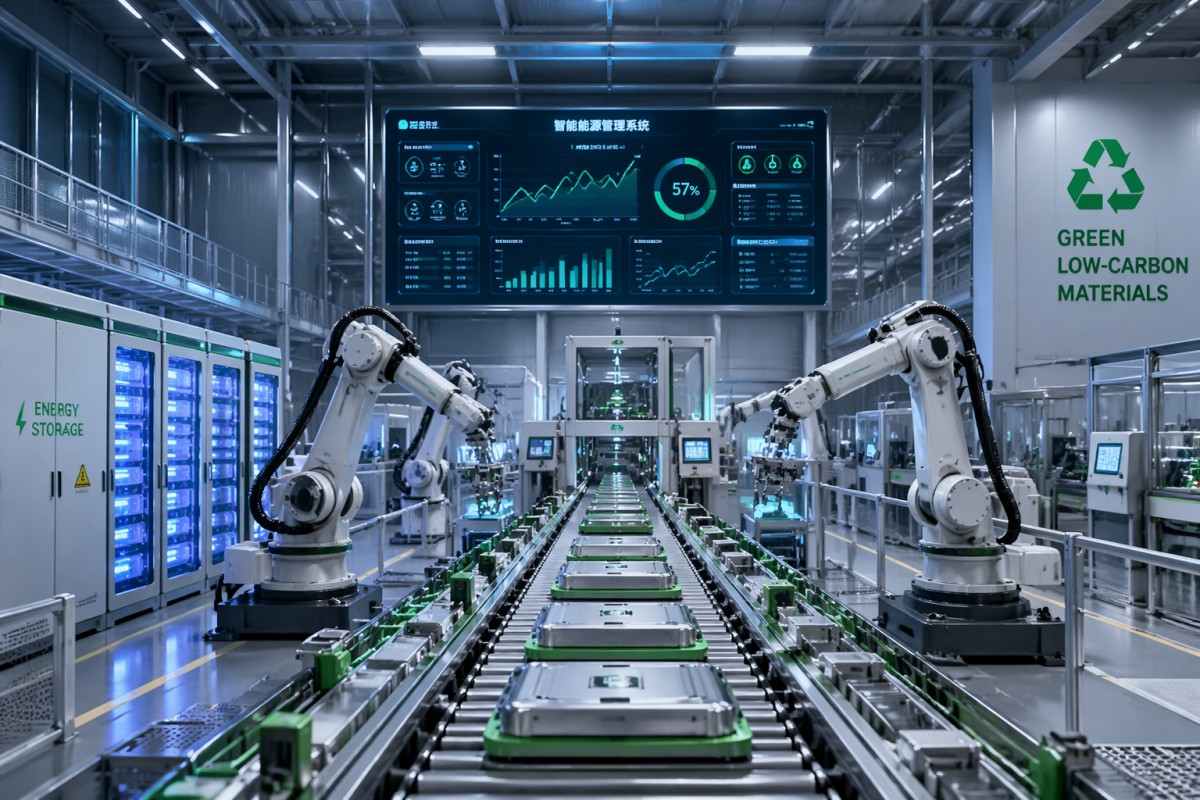
Many industrial firms still treat energy volatility as a procurement or budgeting problem. In practice, it affects sustainability performance much more deeply. Fluctuating electricity, gas, and fuel prices can alter production schedules, reduce equipment utilization, delay decarbonization investments, and push plants toward short-term operating decisions that undermine long-term environmental goals.
This is especially relevant in advanced manufacturing environments where digital infrastructure, automation systems, thermal processing, and material transformation all depend on stable and predictable energy input. When energy prices spike or grid conditions become unstable, manufacturers often face difficult trade-offs:
- Maintain output at higher cost and lower margin
- Slow production and risk service levels
- Delay sustainability upgrades to preserve cash flow
- Switch suppliers or materials in ways that increase quality or compliance risk
For industrial operators and technical teams, this makes sustainability inseparable from resilience. A plant cannot be considered sustainable if its environmental performance collapses whenever energy conditions change. Real industrial sustainability today means maintaining responsible, efficient, and competitive operations under variable energy conditions.
What target readers are really trying to understand
Users searching for this topic are usually not looking for abstract commentary. They want to know whether sustainability strategies still make business sense when energy markets are unstable, and what practical actions reduce risk.
For information researchers, the main concerns often include:
- Which industrial sustainability strategies remain viable under energy price volatility
- How energy uncertainty changes total cost of ownership and capital planning
- Whether digital tools and AI-driven manufacturing actually improve resilience
- What leading manufacturers are doing to protect both margins and climate targets
For users and operators, the focus is more practical:
- How to monitor and respond to changing energy loads
- How to optimize process timing and machine usage
- How to reduce waste when utility conditions shift
- How to work with procurement and planning teams using real operational data
This means the most useful article is not one that repeats broad sustainability principles. It is one that helps readers judge where volatility creates the most risk, what capabilities matter most, and which actions have measurable operational value.
Where industrial sustainability breaks down under volatile energy conditions
Energy volatility affects industrial systems in uneven ways. Some organizations absorb it with limited disruption. Others see sustainability performance deteriorate rapidly because their operations are too rigid, too opaque, or too dependent on single-source inputs.
Common failure points include:
1. Static production planning
Plants that schedule production without considering real-time energy price signals or grid constraints miss opportunities to shift non-critical loads, sequence processes differently, or avoid peak-cost windows.
2. Limited asset-level visibility
If teams cannot see which lines, machines, or thermal processes consume disproportionate energy, they cannot prioritize interventions effectively. Sustainability then becomes a reporting exercise rather than a controllable operating discipline.
3. Weak supplier and material flexibility
When energy-intensive materials face price shocks, firms with narrow sourcing options are more exposed. This can lead to emergency substitutions, quality inconsistency, and delayed delivery.
4. Decarbonization plans disconnected from operations
Some companies commit to emissions targets but lack process-level execution plans. Under volatile energy markets, these goals become harder to defend if they are not tied to production logic, equipment behavior, and sourcing strategy.
In short, sustainability breaks down where industrial systems are optimized for average conditions rather than variable realities.
How industrial intelligence helps sustainability survive
The most resilient manufacturers are not simply consuming less energy. They are using industrial intelligence to make better decisions across operations, materials, procurement, and automation.
This includes several high-value capabilities:
Energy-aware production orchestration
Advanced scheduling systems can align production with energy availability, tariff patterns, and process priority. This does not always mean reducing output. Often it means shifting when and how certain energy-intensive steps occur.
AI-driven manufacturing analytics
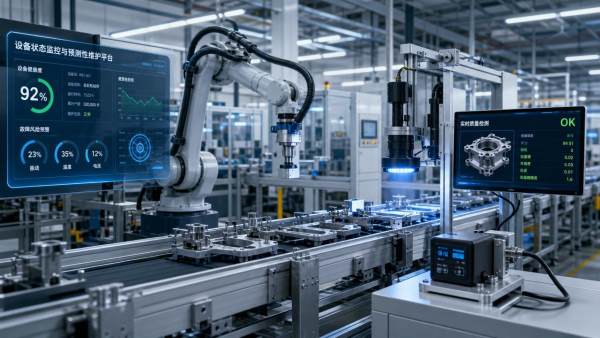
AI models can detect inefficient machine states, forecast peak demand, identify process drift, and recommend lower-energy operating parameters. In high-volume environments, even small optimization gains can materially improve sustainability and cost stability.
Digital twins and simulation
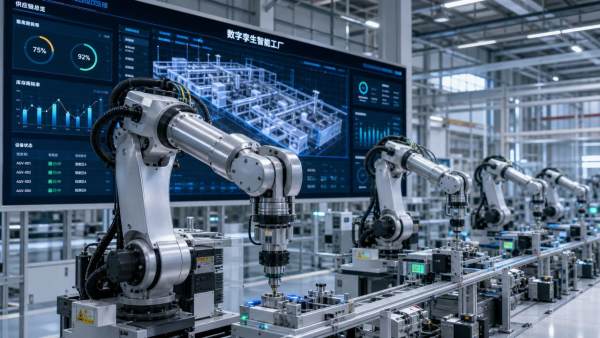
Digital twins allow teams to model how changes in energy pricing, throughput, material selection, or equipment settings affect emissions, quality, and profitability. This helps decision-makers avoid reactive choices.
Smart materials and process redesign
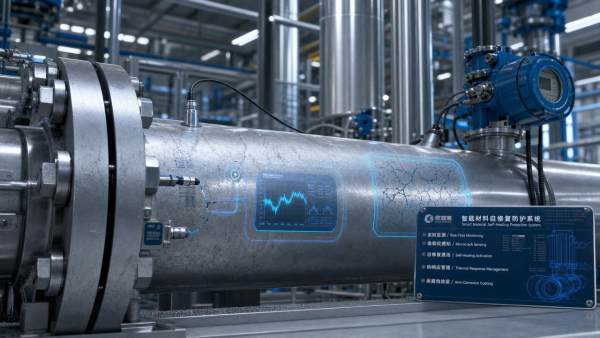
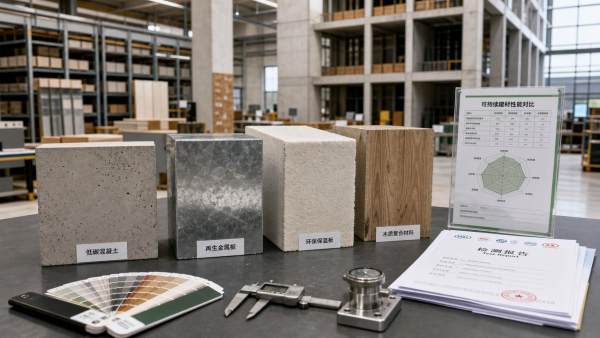
Material science plays an important role in reducing exposure to volatility. Lighter, lower-temperature, more durable, or more recyclable materials can lower lifecycle energy demand and improve production flexibility.
Supply chain intelligence
Manufacturers need visibility beyond the plant. Supplier energy exposure, regional grid instability, logistics disruptions, and embedded carbon all influence sustainability performance. Better supply chain intelligence supports smarter sourcing and more stable planning.
These capabilities are increasingly central to the convergence of intelligent automation and advanced industrial ecosystems. Sustainability is no longer a standalone program. It is an outcome of connected operational intelligence.
What a practical resilience strategy looks like for manufacturers
For organizations asking what to do next, the best response is usually not a single major transformation project. It is a phased resilience strategy that connects energy management with operational decision-making.
A practical roadmap often includes the following steps:
Map energy-critical processes
Identify which processes, machines, and product families are most sensitive to energy cost or supply variation. This establishes where intervention creates the strongest business value.
Build real-time visibility
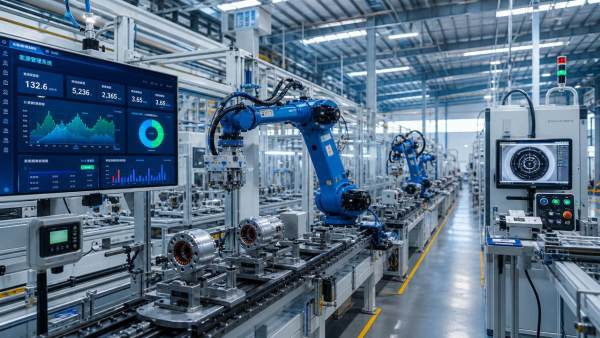
Connect asset, utility, and process data so operators and planners can see energy intensity at a granular level. Without this, sustainability decisions remain too slow and too generic.
Prioritize flexible loads
Determine which operations can be shifted, sequenced, slowed, or accelerated without compromising quality or customer commitments.
Align procurement with operations
Energy contracts, supplier choices, and material planning should reflect actual production behavior. Procurement teams need plant-level intelligence, not only market-level forecasts.
Use benchmarks to guide investment
Not every decarbonization or automation investment pays off equally under volatile conditions. Benchmarking similar facilities, process types, and technology stacks helps organizations invest where resilience and sustainability gains are most credible.
Measure resilience, not just efficiency
Track indicators such as energy cost per unit under variable conditions, recovery time after disruption, load-shifting capability, and emissions stability during market stress. These metrics offer a more realistic picture of sustainable industrial performance.
How to evaluate whether a sustainability initiative will hold up under volatility
Before approving a new sustainability program, industrial teams should test it against a simple question: does this initiative perform well only in stable conditions, or does it remain effective when energy prices, supply timing, or demand signals change?
Useful evaluation criteria include:
- Operational adaptability: Can the process or asset respond to energy variation without major output loss?
- Data dependency: Do teams have the visibility needed to act on the initiative in real time?
- Capital resilience: Does the investment still make sense under multiple price scenarios?
- Cross-functional usability: Can operators, planners, procurement teams, and sustainability leaders all apply the insight?
- Supply chain compatibility: Will suppliers and material inputs support the intended gains?
This kind of evaluation is especially important in complex B2B manufacturing environments, where sustainability outcomes depend on interactions between materials, machines, software, and global sourcing networks.
Can industrial sustainability survive rising energy volatility? Yes, if resilience becomes the operating model
The short answer is yes, but only for organizations willing to move beyond narrow efficiency thinking. Rising energy volatility is exposing the limits of sustainability models built on static assumptions, isolated reporting, and disconnected investments. The manufacturers most likely to succeed are those that treat sustainability as a system-level capability shaped by industrial intelligence, flexible operations, supply chain visibility, and smarter material choices.
For researchers, this means evaluating not just technologies, but the ecosystems that make them usable at scale. For operators, it means focusing on process visibility, adaptable production, and measurable resilience. For industrial leaders, the message is clear: sustainable performance in the next phase of manufacturing will depend less on ideal conditions and more on the ability to operate intelligently through instability.
In that sense, industrial sustainability can survive rising energy volatility. But survival will belong to companies that design for variability, benchmark rigorously, and connect digital intelligence to physical production in practical, measurable ways.
- material science
- intelligent automation
- industrial ecosystem
- digital intelligence
- industrial intelligence
- supply chain intelligence
- manufacturing technology
- industrial convergence
- smart materials
- AI-driven manufacturing
- industrial sustainability
- digital supply chain
- industrial sustainability strategies
Recommended News
 May 02, 2026Choosing a Sustainable Materials Supplier for Stable Quality and Lead TimesSustainable materials supplier selection starts with quality and lead-time control. Learn a practical checklist to reduce risk, protect margins, and build a reliable supply network.
 May 02, 2026AI in Manufacturing Applications That Reduce Downtime in Daily OperationsAI in manufacturing applications help maintenance teams detect faults earlier, cut unplanned downtime, improve service response, and keep daily operations running with greater reliability.
 May 02, 2026Material Science Research Trends Shaping Better Industrial MaterialsMaterial science research is transforming industrial materials with smarter, lighter, and more sustainable solutions. Discover key trends driving performance, resilience, and competitive advantage.
 May 02, 2026Automation Technology for Factories: Key Features to Evaluate Before You InvestAutomation technology for factories: compare integration, scalability, flexibility, and lifecycle value before you invest. Learn how to reduce risk and choose the right-fit solution.
 May 02, 2026Manufacturing Technology Innovations Worth Piloting Before Full-Scale RolloutManufacturing technology innovations worth piloting first: discover practical ways to validate ROI, reduce rollout risk, and choose scalable solutions that improve quality, uptime, and efficiency.
 May 02, 2026Smart Materials Applications: Where They Solve Real Reliability ProblemsSmart materials applications help detect fatigue, vibration, heat, and corrosion earlier—learn where they solve real reliability problems and improve industrial safety.
 May 02, 2026AI in Manufacturing Benefits That Matter Most on the Factory FloorAI in manufacturing benefits include less downtime, faster troubleshooting, and stronger quality control. See how factory teams improve output, safety, and daily decision-making.
 May 02, 2026How to Compare Sustainable Materials for Construction Without Costly MistakesSustainable materials for construction: learn how to compare carbon impact, performance, supply resilience, and lifecycle cost to avoid costly mistakes and make smarter procurement decisions.
 May 02, 2026Smart Manufacturing Technology: What Actually Delivers ROI in 2026Smart manufacturing technology in 2026 is all about proven ROI. Discover which use cases boost uptime, quality, resilience, and sustainability across enterprise operations.
 May 02, 2026How Advanced Materials for Industrial Automation Improve Precision and UptimeAdvanced materials for industrial automation improve precision, reduce wear, and boost uptime. Discover how smarter material choices cut maintenance and strengthen reliable, high-output operations.
 May 02, 20262026 Global Trade & Investment Summit in Beijing: AI+Manufacturing FocusAI+Manufacturing takes center stage at the 2026 Global Trade & Investment Summit in Beijing — discover cross-border AI supply chain solutions, LLM white papers & POC matchmaking for global buyers.
 May 02, 2026Global Engineering Resins Index Up 8.2% in April; China Delivery Stability Gains FocusEngineering resins prices surge 8.2% in April—discover how rising costs and China’s 98.3% on-time delivery rate reshape global procurement strategies.
 May 02, 2026FDA Updates Bio-Plastics Food Contact Guidance: Migration Testing Deadline Nov 1, 2026FDA bio-plastics food contact guidance updated: migration testing deadline is Nov 1, 2026. Ensure compliance now to avoid U.S. market access delays.
 May 02, 20262026 China Bike Expo Focuses on Engineering Resins LightweightingEngineering resins take center stage at 2026 China Bike Expo—discover how PA66-GF30 and PPA-LCP are driving lightweighting, cost savings & export efficiency for bicycle OEMs and suppliers.
 May 02, 2026EU REACH SVHC List Adds 247 Substances Effective May 2026EU REACH SVHC List adds 247 substances effective May 2026 — critical for electronic-grade chemical exporters, SDS updates & supply chain compliance.
 May 02, 2026Vietnam Mandates Vietnamese SDS & QR Code for Industrial Catalysts from Oct 2026Vietnam SDS & QR code mandate for industrial catalysts starts Oct 2026 — ensure Vietnamese-language SDS and GS1-compliant origin labels now to avoid customs delays and supply chain disruption.
 May 02, 20262026 World Intelligent Industry Expo: Cargo Drones & Inspection UAVs in TianjinCargo drones & inspection UAVs take center stage at the 2026 World Intelligent Industry Expo in Tianjin — discover export-ready solutions, low-altitude economy innovations, and global procurement opportunities.
 May 02, 2026SABIC Mandates GCC Certification for Functional Coatings in Saudi Arabia from Q3 2026GCC certification mandatory for functional coatings in Saudi Arabia from Q3 2026 — essential for exporters, manufacturers & suppliers. Act now to ensure market access.
") May 02, 2026TÜV Rheinland Updates PV Backsheet Barrier Films Standard (V2.1)TÜV Rheinland PV Backsheet Barrier Films V2.1 now mandates UV-10000h & PID-1500V testing—key for EU, ME & LATAM solar exports. Act now to avoid project rejections.
May 02, 2026TÜV Rheinland Updates PV Backsheet Barrier Films Standard (V2.1)TÜV Rheinland PV Backsheet Barrier Films V2.1 now mandates UV-10000h & PID-1500V testing—key for EU, ME & LATAM solar exports. Act now to avoid project rejections. May 02, 2026US BIS Proposes Export Controls on Harmonic Reducers, Servo ActuatorsUS BIS proposes export controls on harmonic reducers and servo actuators—critical for robotics & embodied AI. Learn impacts, compliance steps, and strategic responses now.
 May 01, 2026AI in Manufacturing: The First Use Cases Worth TestingAI in manufacturing starts with practical pilots like visual inspection, predictive maintenance, and scheduling support. Discover the first use cases worth testing to cut risk, improve throughput, and unlock measurable ROI.
 May 01, 2026Industrial Automation Solutions That Reduce Downtime on Busy Production LinesIndustrial automation solutions reduce downtime on busy production lines with better machine visibility, faster fault response, and smarter operator support for safer, more stable output.
 May 01, 2026Choosing a Smart Materials Manufacturer Without Overlooking Scale-Up RisksSmart materials manufacturer selection goes beyond lab results. Learn how to spot scale-up risks, verify manufacturing maturity, and choose suppliers built for reliable growth.
 May 01, 2026High-Tech Industrial Projects: Where Delays Usually StartHigh-tech industrial projects often face delays long before construction begins. Discover the hidden risks in specs, interfaces, and procurement—and how to protect schedule and performance.