Search News
Industry Portal
Popular Tags
Manufacturing technology upgrades that create new downtime risks
Author
Time
Click Count
As manufacturing technology evolves, new layers of risk emerge across AI-driven manufacturing, automation technology, and the digital supply chain. For operators and industry researchers, understanding how industrial intelligence, supply chain intelligence, and smart materials interact is now essential to industrial sustainability. This article explores how industrial convergence can improve performance while also creating hidden downtime threats that demand stronger industrial benchmarking and more resilient decision-making.
Manufacturing technology upgrades often promise higher throughput, lower labor dependency, and better quality control. In practice, however, many upgrades also introduce new downtime risks that are less visible than traditional machine failure. For operators, these risks show up as unexpected stoppages, unstable system behavior, software-related interruptions, material mismatch, and delayed recovery after incidents. For researchers and industrial decision-makers, the key insight is simple: modernization does not automatically mean resilience. In many facilities, the more connected the production environment becomes, the more downtime shifts from purely mechanical causes to system-level causes.
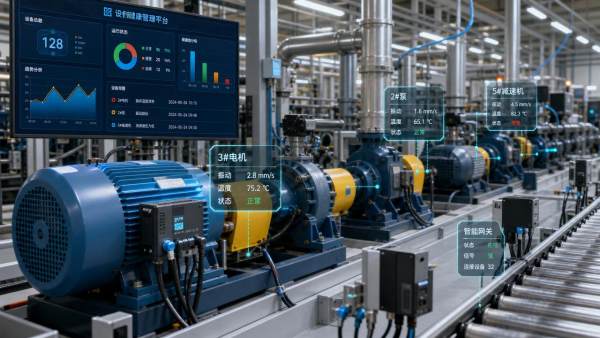
That shift matters. A modern production line can now be affected by AI model errors, automation integration gaps, sensor failures, data quality issues, network latency, supplier software incompatibility, or smart material handling problems. These issues do not replace traditional downtime causes; they stack on top of them. The most useful way to evaluate an upgrade is therefore not only by expected productivity gains, but by how it changes the plant’s failure modes, recovery time, and operational dependency chain.
Why do technology upgrades create new downtime risks instead of simply reducing them?
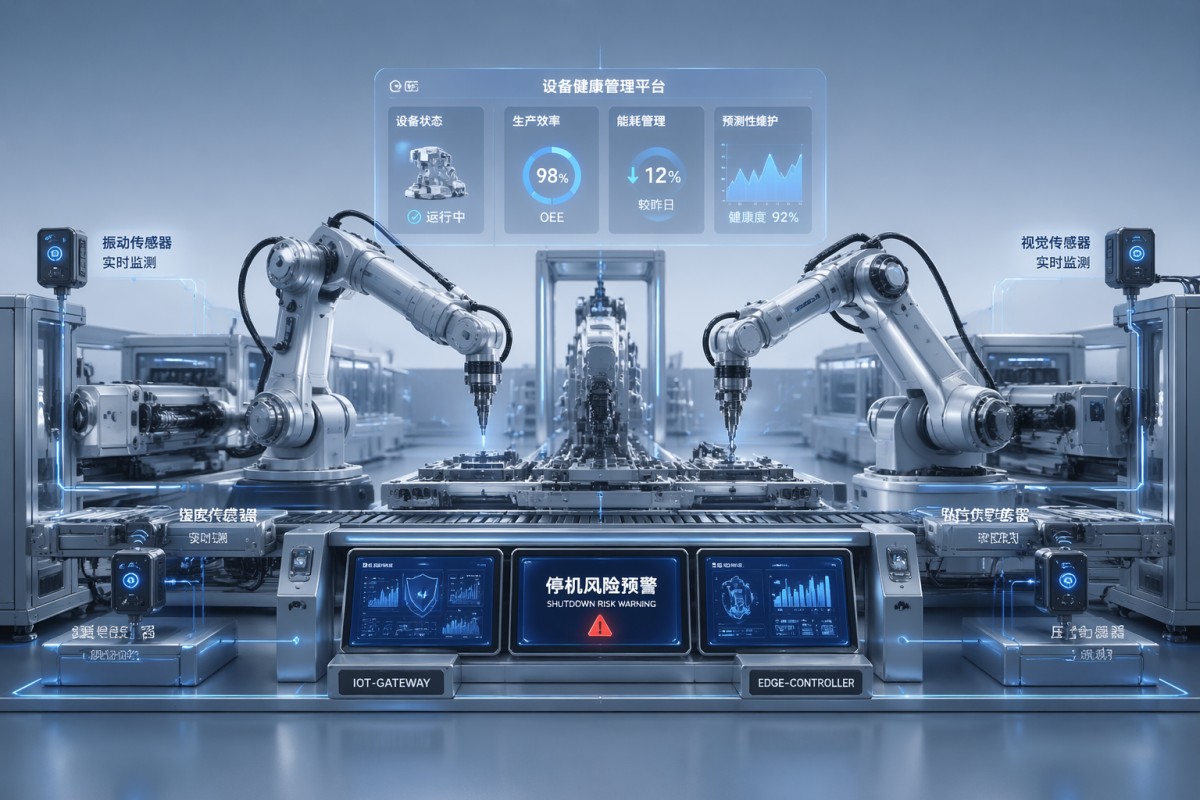
The main reason is that upgrades increase interdependence. In older environments, a machine stoppage often had a direct physical cause and a relatively local impact. In upgraded environments, one digital or automated issue can propagate across multiple assets, software layers, and supply chain nodes. This creates a different downtime profile.
Common examples include:
- AI-driven manufacturing systems that rely on real-time data streams; if data quality degrades, recommendations or automated decisions may become unreliable.
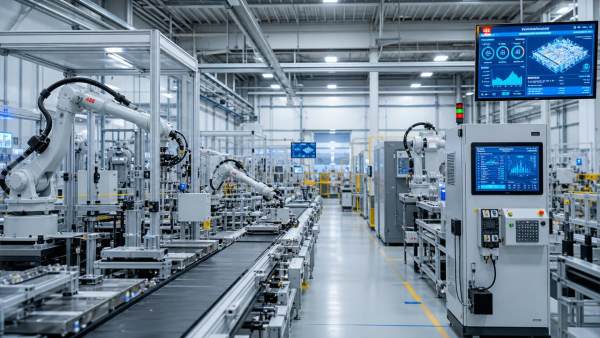
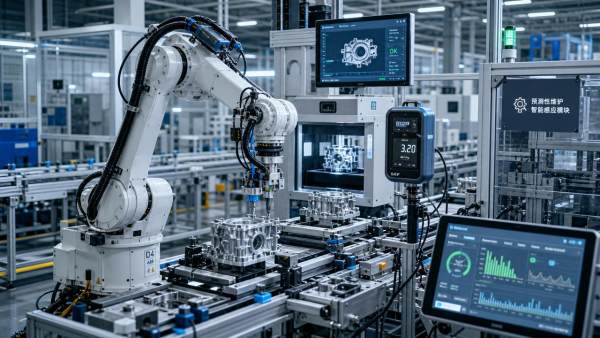
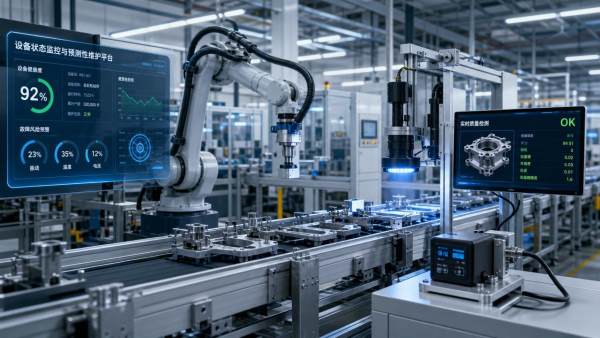
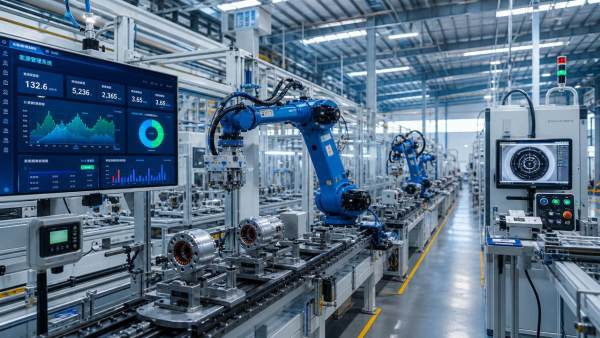
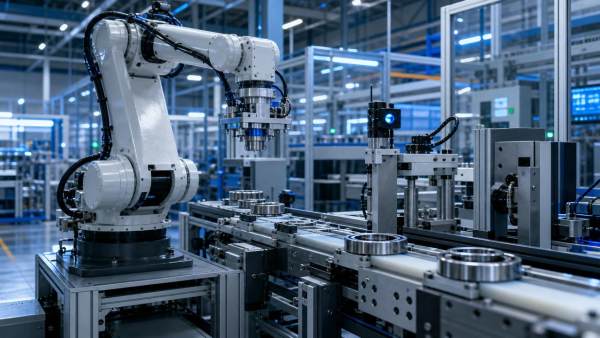
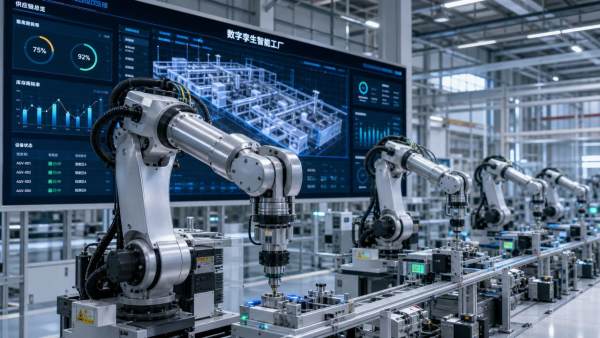
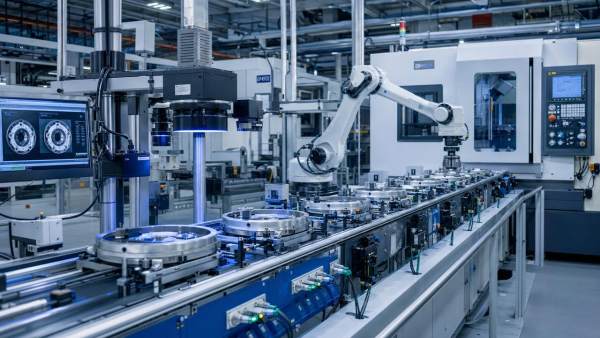
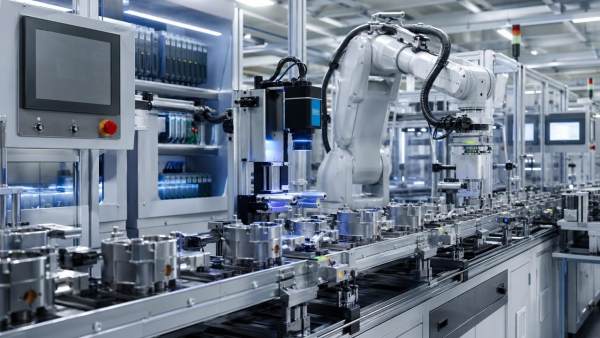
- Automation technology that links conveyors, robots, vision systems, and controls into one tightly synchronized process; a fault in one component can stop the entire line.
- Digital supply chain platforms that improve planning visibility but also create dependence on external systems, cloud access, and integration quality.
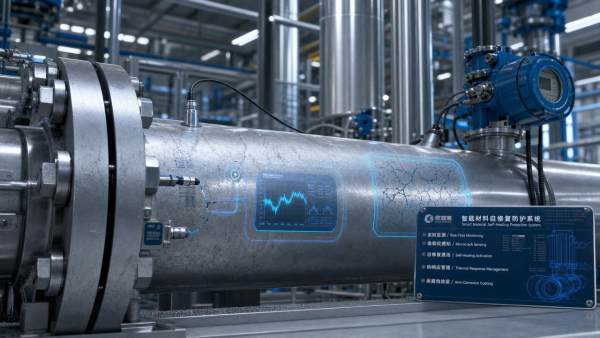
- Smart materials and advanced material handling processes that require tighter environmental, calibration, or storage controls than legacy materials.
In other words, technology upgrades often reduce manual inconsistency while increasing systemic complexity. When complexity rises faster than operational readiness, downtime risk grows.
What downtime risks matter most to operators and industrial researchers?
For the target audience, the most important question is not whether downtime risk exists, but which risks are most likely to disrupt output, safety, maintenance planning, or product quality. The following categories deserve the most attention.
1. Integration failure between old and new systems
Many factories do not upgrade from a blank slate. They operate mixed environments where legacy equipment must work with newer sensors, robotics, MES platforms, AI tools, and industrial control systems. Downtime often appears during these transitions because communication protocols, timing logic, and control priorities do not align fully.
Typical signs include intermittent faults, repeated restarts, unstable handoffs between machines, and unexplained stoppages that are difficult to reproduce.
2. Data dependency and poor industrial intelligence quality
AI and advanced analytics depend on accurate, timely, contextualized data. If sensors drift, tags are misconfigured, material lots are mislabeled, or operators work around bad interfaces, the system may produce incorrect outputs. This can trigger line slowdowns, false alarms, maintenance confusion, or defective production.
In AI-driven manufacturing, bad data does not always cause immediate visible failure. It can quietly erode process stability until downtime appears later.
3. Automation brittleness
Automated systems are efficient when operating within expected conditions. They become fragile when facing variation they were not designed to handle. Product mix changes, packaging variance, upstream supply inconsistency, and unexpected environmental conditions can all produce stoppages in highly automated cells.
This is especially relevant in plants pursuing higher flexibility while simultaneously tightening automation tolerances.
4. Supply chain intelligence gaps
Digital supply chain tools can improve forecasting and coordination, but they also create exposure to external data errors, vendor platform outages, delayed updates, and visibility mismatches between planning and production realities. A plant may be digitally informed but still operationally unprepared if system assumptions do not match actual incoming material conditions.
5. Smart material handling and process sensitivity
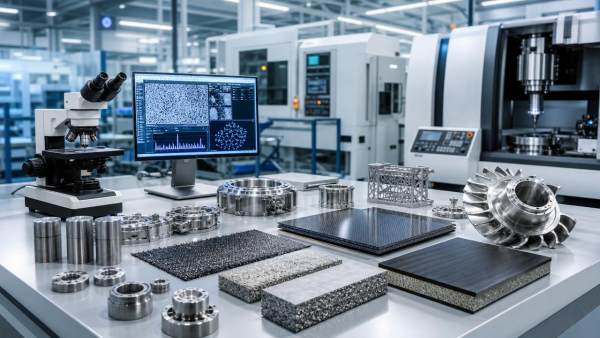
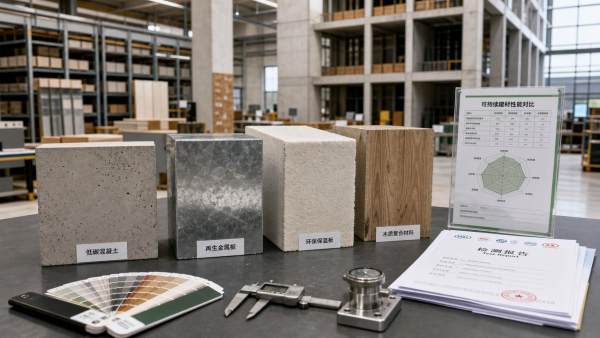
Advanced materials can improve product performance, efficiency, and sustainability, but they may also be less forgiving in production. Some require tighter humidity control, more precise curing windows, cleaner environments, specialized storage, or more exact machine settings. If operational teams are not fully prepared, material-related downtime can increase after a technology or product upgrade.
How can teams assess whether an upgrade improves resilience or increases hidden downtime exposure?
Operators and researchers need a practical evaluation framework. The best approach is to examine an upgrade across four dimensions: dependency, detectability, recoverability, and variability tolerance.
Dependency
Ask how many systems, teams, suppliers, and data sources must function correctly for the upgrade to deliver value. The more dependencies involved, the higher the chance that a non-mechanical issue can stop production.
Detectability
Consider how quickly the plant can identify the true root cause of a failure. Some modern downtime events are difficult to diagnose because symptoms appear in one place while the actual problem originates elsewhere, such as in network traffic, software logic, or upstream data structures.
Recoverability
Evaluate how fast the operation can return to stable output. A useful upgrade is not just one that performs well during normal conditions; it should also support rapid recovery after faults. If restarting requires a specialist, a vendor call, a software patch, or complex recalibration, downtime costs rise.
Variability tolerance
Measure how well the upgraded system handles real-world variation in materials, operator behavior, environmental conditions, and supply timing. A line that only performs under ideal conditions may look efficient in testing but underperform in live manufacturing.
This type of structured industrial benchmarking helps organizations compare technology options based not just on promised efficiency, but on operational robustness.
What should operators do on the factory floor to reduce upgrade-related downtime?
Execution-level teams need concrete actions, not abstract transformation language. The most effective practices are usually operationally simple, but consistently applied.
- Map new failure modes before launch. Do not focus only on old maintenance patterns. Identify software, sensor, network, interface, and material risks introduced by the upgrade.
- Run hybrid commissioning scenarios. Test with real production variability, not only ideal conditions. Include off-spec material, shift changes, restart situations, and partial subsystem failure.
- Create fast escalation paths. Operators should know when an issue is mechanical, controls-related, data-related, or supplier-related. Clear routing reduces diagnostic delay.
- Improve operator feedback loops. Operators often detect early signs of brittleness before dashboards do. Structured reporting of recurring anomalies helps prevent larger stoppages.
- Maintain fallback operating modes. Where possible, retain degraded-but-operable modes rather than designing all-or-nothing system behavior.
- Track recovery metrics, not just uptime. Mean time to detect and mean time to recover are essential in digitally integrated operations.
For users and operators, the biggest risk is often not the existence of advanced systems, but the assumption that those systems are self-stabilizing. In reality, advanced automation still depends heavily on disciplined operating routines.
How does industrial convergence change downtime strategy?
Industrial convergence means that material science, automation, AI, and supply chain intelligence increasingly influence each other. This creates major performance opportunities, but it also means downtime can no longer be managed by maintenance teams alone.
For example, a quality issue may originate from material variability, become amplified by automation sensitivity, go undetected due to poor data labeling, and finally appear as line downtime. In this environment, organizations need a broader resilience model that connects engineering, operations, procurement, digital systems, and supplier coordination.
This is where industrial intelligence and technical benchmarking become especially valuable. Teams need to compare not only machine specifications, but also ecosystem readiness:
- How mature is the vendor integration model?
- How stable is the data architecture?
- How sensitive is the process to material variation?
- How much operator adaptation is required?
- How dependent is recovery on outside technical support?
These questions help distinguish between a high-performance upgrade and a high-fragility upgrade.
What is the practical takeaway for manufacturers evaluating new technology?
The practical takeaway is clear: manufacturing technology upgrades should be judged by their full operational impact, not only by efficiency claims. AI-driven manufacturing, automation technology, digital supply chain systems, and smart materials can all improve competitiveness, but they also introduce hidden downtime pathways when complexity outpaces preparedness.
For information researchers, this means the right analysis goes beyond trend reporting and focuses on interaction effects between systems. For operators, it means paying closer attention to integration quality, process variability, and recovery design. For industrial organizations pursuing sustainability and resilience, it means that every upgrade should be reviewed through the lens of industrial benchmarking, cross-functional readiness, and real-world downtime behavior.
In modern manufacturing, the question is no longer whether to upgrade. It is whether the upgrade creates a stronger production ecosystem or a more fragile one. The organizations that perform best will be those that treat innovation and downtime prevention as part of the same strategy.
Recommended News
 May 02, 2026Choosing a Sustainable Materials Supplier for Stable Quality and Lead TimesSustainable materials supplier selection starts with quality and lead-time control. Learn a practical checklist to reduce risk, protect margins, and build a reliable supply network.
 May 02, 2026AI in Manufacturing Applications That Reduce Downtime in Daily OperationsAI in manufacturing applications help maintenance teams detect faults earlier, cut unplanned downtime, improve service response, and keep daily operations running with greater reliability.
 May 02, 2026Material Science Research Trends Shaping Better Industrial MaterialsMaterial science research is transforming industrial materials with smarter, lighter, and more sustainable solutions. Discover key trends driving performance, resilience, and competitive advantage.
 May 02, 2026Automation Technology for Factories: Key Features to Evaluate Before You InvestAutomation technology for factories: compare integration, scalability, flexibility, and lifecycle value before you invest. Learn how to reduce risk and choose the right-fit solution.
 May 02, 2026Manufacturing Technology Innovations Worth Piloting Before Full-Scale RolloutManufacturing technology innovations worth piloting first: discover practical ways to validate ROI, reduce rollout risk, and choose scalable solutions that improve quality, uptime, and efficiency.
 May 02, 2026Smart Materials Applications: Where They Solve Real Reliability ProblemsSmart materials applications help detect fatigue, vibration, heat, and corrosion earlier—learn where they solve real reliability problems and improve industrial safety.
 May 02, 2026AI in Manufacturing Benefits That Matter Most on the Factory FloorAI in manufacturing benefits include less downtime, faster troubleshooting, and stronger quality control. See how factory teams improve output, safety, and daily decision-making.
 May 02, 2026How to Compare Sustainable Materials for Construction Without Costly MistakesSustainable materials for construction: learn how to compare carbon impact, performance, supply resilience, and lifecycle cost to avoid costly mistakes and make smarter procurement decisions.
 May 02, 2026Smart Manufacturing Technology: What Actually Delivers ROI in 2026Smart manufacturing technology in 2026 is all about proven ROI. Discover which use cases boost uptime, quality, resilience, and sustainability across enterprise operations.
 May 02, 2026How Advanced Materials for Industrial Automation Improve Precision and UptimeAdvanced materials for industrial automation improve precision, reduce wear, and boost uptime. Discover how smarter material choices cut maintenance and strengthen reliable, high-output operations.
 May 02, 20262026 Global Trade & Investment Summit in Beijing: AI+Manufacturing FocusAI+Manufacturing takes center stage at the 2026 Global Trade & Investment Summit in Beijing — discover cross-border AI supply chain solutions, LLM white papers & POC matchmaking for global buyers.
 May 02, 2026Global Engineering Resins Index Up 8.2% in April; China Delivery Stability Gains FocusEngineering resins prices surge 8.2% in April—discover how rising costs and China’s 98.3% on-time delivery rate reshape global procurement strategies.
 May 02, 2026FDA Updates Bio-Plastics Food Contact Guidance: Migration Testing Deadline Nov 1, 2026FDA bio-plastics food contact guidance updated: migration testing deadline is Nov 1, 2026. Ensure compliance now to avoid U.S. market access delays.
 May 02, 20262026 China Bike Expo Focuses on Engineering Resins LightweightingEngineering resins take center stage at 2026 China Bike Expo—discover how PA66-GF30 and PPA-LCP are driving lightweighting, cost savings & export efficiency for bicycle OEMs and suppliers.
 May 02, 2026EU REACH SVHC List Adds 247 Substances Effective May 2026EU REACH SVHC List adds 247 substances effective May 2026 — critical for electronic-grade chemical exporters, SDS updates & supply chain compliance.
 May 02, 2026Vietnam Mandates Vietnamese SDS & QR Code for Industrial Catalysts from Oct 2026Vietnam SDS & QR code mandate for industrial catalysts starts Oct 2026 — ensure Vietnamese-language SDS and GS1-compliant origin labels now to avoid customs delays and supply chain disruption.
 May 02, 20262026 World Intelligent Industry Expo: Cargo Drones & Inspection UAVs in TianjinCargo drones & inspection UAVs take center stage at the 2026 World Intelligent Industry Expo in Tianjin — discover export-ready solutions, low-altitude economy innovations, and global procurement opportunities.
 May 02, 2026SABIC Mandates GCC Certification for Functional Coatings in Saudi Arabia from Q3 2026GCC certification mandatory for functional coatings in Saudi Arabia from Q3 2026 — essential for exporters, manufacturers & suppliers. Act now to ensure market access.
") May 02, 2026TÜV Rheinland Updates PV Backsheet Barrier Films Standard (V2.1)TÜV Rheinland PV Backsheet Barrier Films V2.1 now mandates UV-10000h & PID-1500V testing—key for EU, ME & LATAM solar exports. Act now to avoid project rejections.
May 02, 2026TÜV Rheinland Updates PV Backsheet Barrier Films Standard (V2.1)TÜV Rheinland PV Backsheet Barrier Films V2.1 now mandates UV-10000h & PID-1500V testing—key for EU, ME & LATAM solar exports. Act now to avoid project rejections. May 02, 2026US BIS Proposes Export Controls on Harmonic Reducers, Servo ActuatorsUS BIS proposes export controls on harmonic reducers and servo actuators—critical for robotics & embodied AI. Learn impacts, compliance steps, and strategic responses now.
 May 01, 2026AI in Manufacturing: The First Use Cases Worth TestingAI in manufacturing starts with practical pilots like visual inspection, predictive maintenance, and scheduling support. Discover the first use cases worth testing to cut risk, improve throughput, and unlock measurable ROI.
 May 01, 2026Industrial Automation Solutions That Reduce Downtime on Busy Production LinesIndustrial automation solutions reduce downtime on busy production lines with better machine visibility, faster fault response, and smarter operator support for safer, more stable output.
 May 01, 2026Choosing a Smart Materials Manufacturer Without Overlooking Scale-Up RisksSmart materials manufacturer selection goes beyond lab results. Learn how to spot scale-up risks, verify manufacturing maturity, and choose suppliers built for reliable growth.
 May 01, 2026High-Tech Industrial Projects: Where Delays Usually StartHigh-tech industrial projects often face delays long before construction begins. Discover the hidden risks in specs, interfaces, and procurement—and how to protect schedule and performance.