Search News
Industry Portal
Popular Tags
How Intelligent Automation Systems Cut Factory Errors
Author
Time
Click Count
As factories face rising complexity, intelligent automation systems are becoming essential for reducing errors, improving consistency, and accelerating decisions. Combined with smart manufacturing systems and digital supply chain solutions, they help operators and industry researchers understand how data, machines, and process control work together to strengthen quality, resilience, and performance across modern production environments.
If you are searching for how intelligent automation systems cut factory errors, the short answer is this: they reduce mistakes by removing manual variability, catching deviations earlier, standardizing decisions, and connecting quality control with real-time production data. For both researchers evaluating industrial trends and operators working on the floor, the real value is not automation alone, but automation that can detect, respond, and improve continuously.
In practice, the biggest gains come when intelligent automation systems are applied to high-error, high-repeatability, or high-speed processes. They are especially useful where manual checks are inconsistent, process settings drift over time, or multiple systems create information gaps between planning, production, and inspection.
Where factory errors really come from
Before choosing any automation approach, it helps to understand the most common sources of factory errors. In many production environments, mistakes are not caused by a single machine failure. They usually come from a combination of human inconsistency, fragmented data, process variation, and delayed response.
Typical error sources include:
- Manual data entry mistakes in work orders, quality records, or inventory updates
- Operators using different settings or methods for the same task
- Equipment drift that goes unnoticed until defects increase
- Late detection of quality problems at the end of the line
- Poor coordination between procurement, material availability, and production scheduling
- Incomplete visibility across machines, lines, and plants
For operators, these issues show up as rework, downtime, unclear instructions, and repeated troubleshooting. For information researchers and industrial decision-makers, they appear as unstable output, rising scrap rates, weak traceability, and inconsistent KPI performance.
How intelligent automation systems reduce errors in real operations
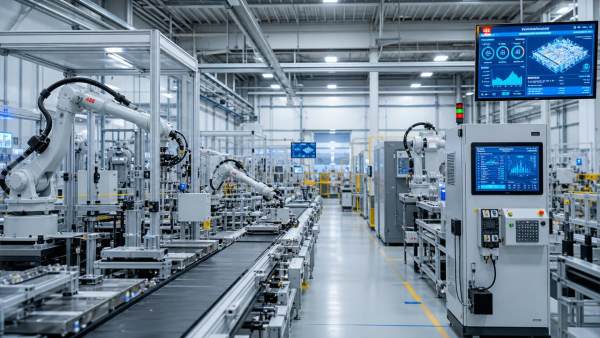
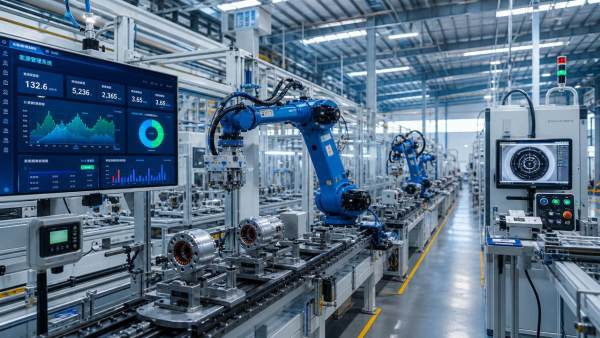
Intelligent automation systems cut factory errors by combining automation logic with data analysis, sensor feedback, and rule-based or AI-assisted decisions. Instead of only executing fixed commands, these systems can monitor conditions, identify abnormal patterns, and trigger corrective actions faster than traditional manual workflows.
The most effective mechanisms include:
1. Standardizing task execution
When a process depends heavily on individual operator judgment, variation increases. Intelligent automation systems help enforce standard operating parameters, sequence control, digital work instructions, and validation steps. This reduces the chance that a task is skipped, performed out of order, or completed with the wrong settings.
2. Detecting deviations earlier
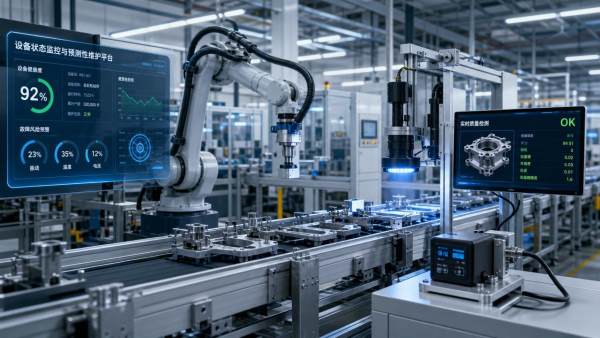
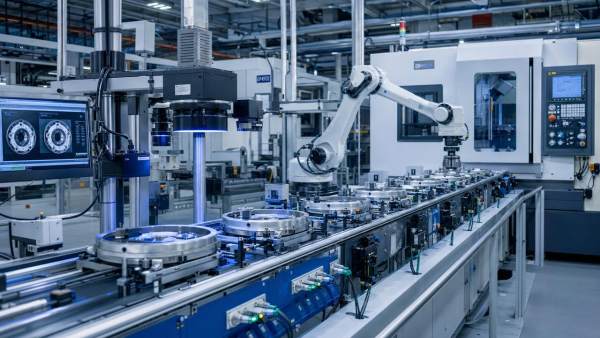
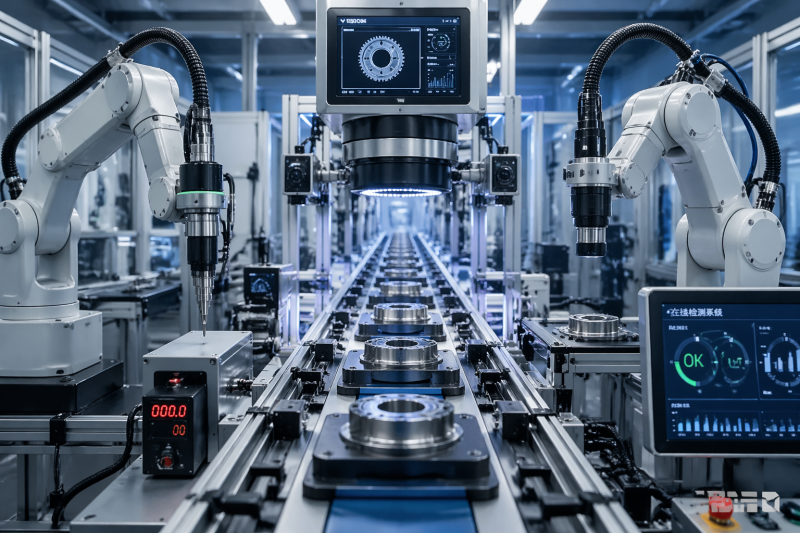
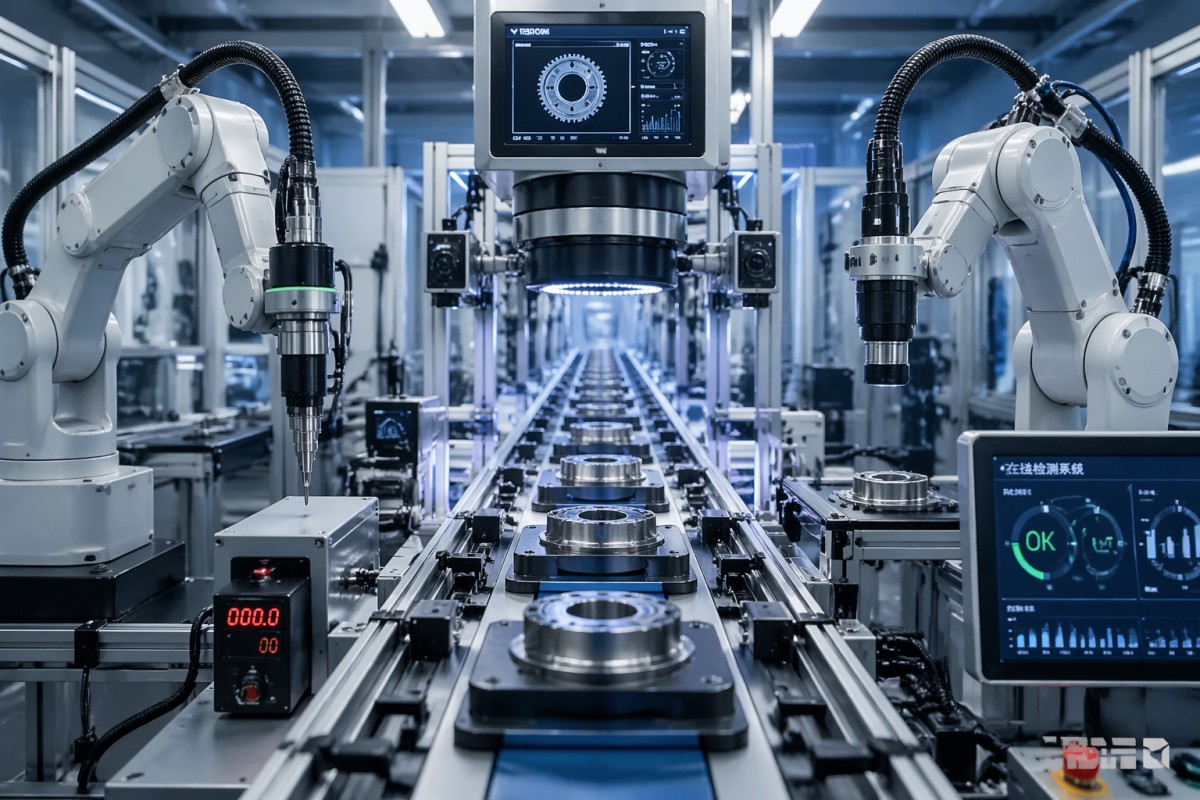
Connected sensors, machine vision, and in-line inspection tools can identify defects or process drift in real time. That means problems are caught during production, not after a full batch is completed. Earlier detection lowers scrap, limits rework, and prevents error propagation downstream.
3. Improving decision speed
In manual environments, operators often need to interpret multiple signals before acting. Intelligent systems can consolidate machine data, production status, and quality thresholds into immediate alerts or automated responses. This helps teams act faster when anomalies appear.
4. Reducing data gaps between systems
Many factory errors happen because production, maintenance, quality, and supply chain data are disconnected. Smart manufacturing systems create a more unified digital environment, making it easier to match the right material, machine condition, job sequence, and quality criteria at the right time.
5. Supporting closed-loop process control
Advanced systems do more than report issues. They can adjust machine parameters automatically based on feedback from inspection, environmental conditions, or historical trends. This closed-loop approach is one of the strongest ways to reduce repeat errors over time.
What this looks like on the factory floor
For users and operators, the impact of intelligent automation is often practical and immediate rather than theoretical. A well-designed system can reduce the number of judgment calls required during repetitive work while making exceptions clearer and easier to manage.
Common examples include:
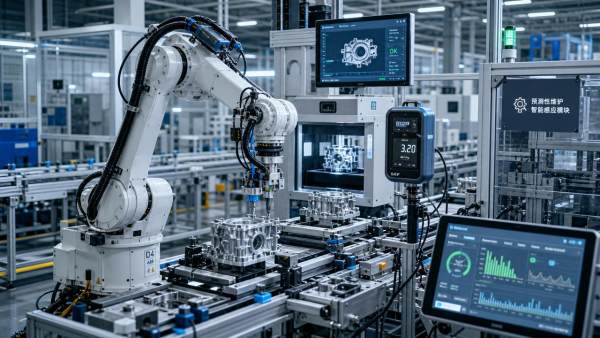
- Machine vision systems that flag incorrect assembly or surface defects instantly
- Automated parameter checks that prevent a line from starting with the wrong recipe
- Digital workstations that guide operators step by step and confirm completion
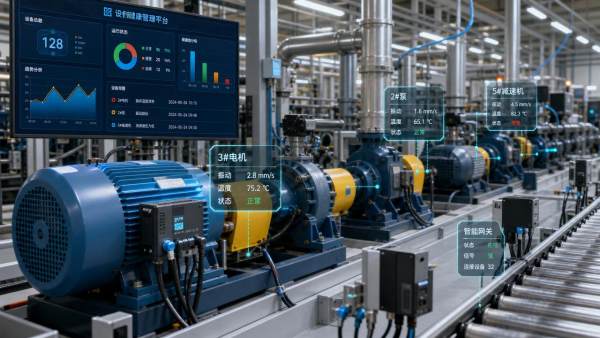
- Predictive maintenance alerts that prevent equipment-related quality drift
- Integrated traceability systems that link batches, components, and inspection records
In these cases, automation does not replace operational expertise. It strengthens it by reducing routine error opportunities and giving teams better information when intervention is needed.
Why smart manufacturing systems and digital supply chain solutions matter
Factory errors do not start and stop at the machine level. Many originate upstream in material planning, supplier inconsistency, scheduling conflicts, or incorrect part availability. That is why intelligent automation works best when connected to broader smart manufacturing systems and digital supply chain solutions.
For example, a production line may operate exactly as programmed but still generate defects if incoming materials vary beyond tolerance. Likewise, last-minute schedule changes can increase setup errors if systems are not synchronized. By connecting supply chain, planning, execution, and quality data, manufacturers can reduce hidden sources of disruption that lead to mistakes.
This matters especially in complex industrial environments where multiple product variants, global sourcing, and tight delivery windows increase operational risk. Better digital coordination improves not only output quality, but also resilience and response speed.
How to judge whether an intelligent automation system will actually deliver value
Not every automation project produces meaningful error reduction. The most successful implementations usually begin with a clear process problem, measurable baseline, and realistic fit between technology and operational needs.
Readers evaluating solutions should focus on the following questions:
- Which specific errors occur most often, and what do they cost?
- Are those errors caused by manual variation, poor visibility, slow detection, or unstable process control?
- Can the process be measured clearly enough for automation logic or AI models to work reliably?
- Will the system integrate with existing MES, ERP, SCADA, quality, or maintenance platforms?
- Can operators understand, trust, and act on the system outputs?
- What KPIs will prove value, such as first-pass yield, scrap reduction, downtime, deviation frequency, or response time?
For researchers and procurement-oriented readers, these evaluation points are more useful than broad promises about Industry 4.0. The strongest business case comes from targeted deployment in areas where error rates are visible, recurring, and operationally expensive.
Common concerns and what factories should watch out for
Even strong automation technologies can fail to reduce errors if implementation is weak. One common problem is automating a poorly designed process without fixing the root cause. Another is relying on disconnected tools that produce data but do not support action.
Other risks include:
- Low-quality sensor data leading to unreliable decisions
- Overly complex interfaces that operators ignore or bypass
- Insufficient training and poor change management
- Lack of maintenance for cameras, sensors, and connected devices
- No clear ownership between quality, operations, and IT teams
Factories should also avoid treating intelligent automation as only an IT upgrade. Error reduction depends on process engineering, operator adoption, governance, and continuous optimization. The technology is important, but the operating model around it is what makes the results sustainable.
Where factories usually see the fastest returns
The quickest wins often come from processes with high repetition, measurable quality criteria, and costly error consequences. Examples include inspection-heavy production, packaging verification, recipe-based manufacturing, material handling, and assembly operations with frequent manual checks.
In these areas, intelligent automation systems can deliver value through:
- Lower scrap and rework costs
- Better first-pass yield
- Fewer line stoppages caused by preventable mistakes
- Improved traceability for compliance and root-cause analysis
- More stable throughput and planning accuracy
For large industrial ecosystems, the strategic value is even broader. Reduced error rates improve supplier confidence, support more reliable procurement planning, and create stronger data foundations for benchmarking across plants and production networks.
Conclusion
Intelligent automation systems cut factory errors by doing four things especially well: they standardize execution, detect problems earlier, connect fragmented data, and enable faster corrective action. When linked with smart manufacturing systems and digital supply chain solutions, they help factories move from reactive troubleshooting to more controlled, resilient, and predictable production.
For operators, this means fewer avoidable mistakes and clearer process guidance. For researchers and industrial decision-makers, it means a more practical framework for evaluating which technologies truly improve quality and operational performance. The most important takeaway is simple: automation reduces errors most effectively when it is tied to real process problems, usable data, and systems that support action—not just visibility.
Recommended News
 May 02, 2026Choosing a Sustainable Materials Supplier for Stable Quality and Lead TimesSustainable materials supplier selection starts with quality and lead-time control. Learn a practical checklist to reduce risk, protect margins, and build a reliable supply network.
 May 02, 2026AI in Manufacturing Applications That Reduce Downtime in Daily OperationsAI in manufacturing applications help maintenance teams detect faults earlier, cut unplanned downtime, improve service response, and keep daily operations running with greater reliability.
 May 02, 2026Material Science Research Trends Shaping Better Industrial MaterialsMaterial science research is transforming industrial materials with smarter, lighter, and more sustainable solutions. Discover key trends driving performance, resilience, and competitive advantage.
 May 02, 2026Automation Technology for Factories: Key Features to Evaluate Before You InvestAutomation technology for factories: compare integration, scalability, flexibility, and lifecycle value before you invest. Learn how to reduce risk and choose the right-fit solution.
 May 02, 2026Manufacturing Technology Innovations Worth Piloting Before Full-Scale RolloutManufacturing technology innovations worth piloting first: discover practical ways to validate ROI, reduce rollout risk, and choose scalable solutions that improve quality, uptime, and efficiency.
 May 02, 2026Smart Materials Applications: Where They Solve Real Reliability ProblemsSmart materials applications help detect fatigue, vibration, heat, and corrosion earlier—learn where they solve real reliability problems and improve industrial safety.
 May 02, 2026AI in Manufacturing Benefits That Matter Most on the Factory FloorAI in manufacturing benefits include less downtime, faster troubleshooting, and stronger quality control. See how factory teams improve output, safety, and daily decision-making.
 May 02, 2026How to Compare Sustainable Materials for Construction Without Costly MistakesSustainable materials for construction: learn how to compare carbon impact, performance, supply resilience, and lifecycle cost to avoid costly mistakes and make smarter procurement decisions.
 May 02, 2026Smart Manufacturing Technology: What Actually Delivers ROI in 2026Smart manufacturing technology in 2026 is all about proven ROI. Discover which use cases boost uptime, quality, resilience, and sustainability across enterprise operations.
 May 02, 2026How Advanced Materials for Industrial Automation Improve Precision and UptimeAdvanced materials for industrial automation improve precision, reduce wear, and boost uptime. Discover how smarter material choices cut maintenance and strengthen reliable, high-output operations.
 May 02, 20262026 Global Trade & Investment Summit in Beijing: AI+Manufacturing FocusAI+Manufacturing takes center stage at the 2026 Global Trade & Investment Summit in Beijing — discover cross-border AI supply chain solutions, LLM white papers & POC matchmaking for global buyers.
 May 02, 2026Global Engineering Resins Index Up 8.2% in April; China Delivery Stability Gains FocusEngineering resins prices surge 8.2% in April—discover how rising costs and China’s 98.3% on-time delivery rate reshape global procurement strategies.
 May 02, 2026FDA Updates Bio-Plastics Food Contact Guidance: Migration Testing Deadline Nov 1, 2026FDA bio-plastics food contact guidance updated: migration testing deadline is Nov 1, 2026. Ensure compliance now to avoid U.S. market access delays.
 May 02, 20262026 China Bike Expo Focuses on Engineering Resins LightweightingEngineering resins take center stage at 2026 China Bike Expo—discover how PA66-GF30 and PPA-LCP are driving lightweighting, cost savings & export efficiency for bicycle OEMs and suppliers.
 May 02, 2026EU REACH SVHC List Adds 247 Substances Effective May 2026EU REACH SVHC List adds 247 substances effective May 2026 — critical for electronic-grade chemical exporters, SDS updates & supply chain compliance.
 May 02, 2026Vietnam Mandates Vietnamese SDS & QR Code for Industrial Catalysts from Oct 2026Vietnam SDS & QR code mandate for industrial catalysts starts Oct 2026 — ensure Vietnamese-language SDS and GS1-compliant origin labels now to avoid customs delays and supply chain disruption.
 May 02, 20262026 World Intelligent Industry Expo: Cargo Drones & Inspection UAVs in TianjinCargo drones & inspection UAVs take center stage at the 2026 World Intelligent Industry Expo in Tianjin — discover export-ready solutions, low-altitude economy innovations, and global procurement opportunities.
 May 02, 2026SABIC Mandates GCC Certification for Functional Coatings in Saudi Arabia from Q3 2026GCC certification mandatory for functional coatings in Saudi Arabia from Q3 2026 — essential for exporters, manufacturers & suppliers. Act now to ensure market access.
") May 02, 2026TÜV Rheinland Updates PV Backsheet Barrier Films Standard (V2.1)TÜV Rheinland PV Backsheet Barrier Films V2.1 now mandates UV-10000h & PID-1500V testing—key for EU, ME & LATAM solar exports. Act now to avoid project rejections.
May 02, 2026TÜV Rheinland Updates PV Backsheet Barrier Films Standard (V2.1)TÜV Rheinland PV Backsheet Barrier Films V2.1 now mandates UV-10000h & PID-1500V testing—key for EU, ME & LATAM solar exports. Act now to avoid project rejections. May 02, 2026US BIS Proposes Export Controls on Harmonic Reducers, Servo ActuatorsUS BIS proposes export controls on harmonic reducers and servo actuators—critical for robotics & embodied AI. Learn impacts, compliance steps, and strategic responses now.
 May 01, 2026AI in Manufacturing: The First Use Cases Worth TestingAI in manufacturing starts with practical pilots like visual inspection, predictive maintenance, and scheduling support. Discover the first use cases worth testing to cut risk, improve throughput, and unlock measurable ROI.
 May 01, 2026Industrial Automation Solutions That Reduce Downtime on Busy Production LinesIndustrial automation solutions reduce downtime on busy production lines with better machine visibility, faster fault response, and smarter operator support for safer, more stable output.
 May 01, 2026Choosing a Smart Materials Manufacturer Without Overlooking Scale-Up RisksSmart materials manufacturer selection goes beyond lab results. Learn how to spot scale-up risks, verify manufacturing maturity, and choose suppliers built for reliable growth.
 May 01, 2026High-Tech Industrial Projects: Where Delays Usually StartHigh-tech industrial projects often face delays long before construction begins. Discover the hidden risks in specs, interfaces, and procurement—and how to protect schedule and performance.