Event Overview
According to the information released by the European Chemicals Agency on May 30, 2026, a draft amendment to Annex XVII of REACH has been issued. The draft proposes setting a total limit of 25 ppb for PFOA and its derivatives in fluoropolymer materials used as barrier films.
The information currently available indicates that the existing limit is 1,000 ppb, while the proposed revised limit is 25 ppb. The draft also provides for a transition period of 12 months.
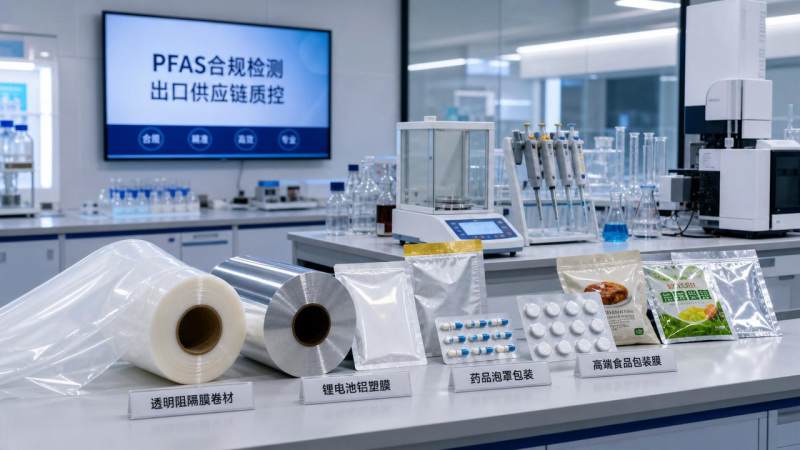
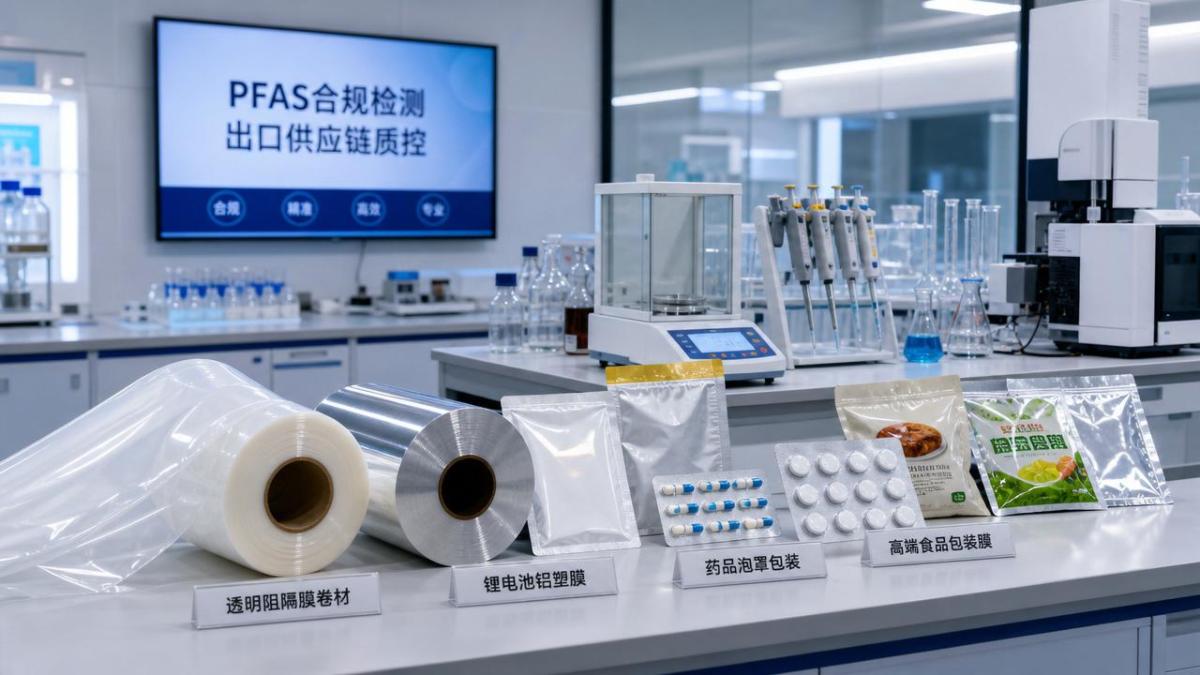
The disclosed information identifies several export-related product areas that may be affected, including China-made lithium battery aluminum-plastic films, pharmaceutical blister packaging, and high-end food packaging films. At this stage, the matter should be understood as a draft amendment, and companies should continue to monitor subsequent official statements and regulatory progress.
Which Segments May Be Affected
Direct Export and Trade Enterprises
Exporters handling barrier film products for the EU market may be directly affected because the proposed limit targets fluoropolymer materials used in barrier films. If the draft proceeds, products previously assessed against the 1,000 ppb level may need to be reviewed against the proposed 25 ppb threshold.
From an industry perspective, the main impact for trading companies would be reflected in export documentation, product compliance confirmation, customer communication, and order risk assessment. The 12-month transition period also means that companies may need to evaluate existing contracts and upcoming shipments more carefully.
Raw Material Procurement Enterprises
Companies responsible for sourcing fluoropolymer materials or related film inputs may face increased pressure to verify whether purchased materials can meet the proposed lower limit. Because the proposed requirement concerns PFOA and its derivatives in materials used for barrier films, procurement teams may need to pay closer attention to supplier declarations and material specifications.
Analysis shows that procurement risk may shift from price and availability alone to compliance traceability. For companies supplying export-oriented barrier film manufacturers, the ability to provide clear material information may become more important if the draft moves forward.
Film Processing and Packaging Manufacturers
Manufacturers producing lithium battery aluminum-plastic films, pharmaceutical blister packaging, and high-end food packaging films may be affected because these product categories are specifically identified as areas whose export compliance path could change.
The impact may appear in material selection, internal quality checks, customer approval procedures, and production planning for EU-bound orders. Observably, manufacturers with products relying on fluoropolymer barrier materials may need to identify which product lines are relevant to the proposed limit and which orders are linked to the EU market.
Distribution and Channel Operators
Channel operators and distributors dealing with barrier film products may be affected because compliance questions can move downstream once EU buyers begin reviewing supplier requirements. Even if distributors are not the original manufacturers, they may still need to obtain updated compliance information from upstream suppliers.
It is more appropriate to understand the impact on distributors as a documentation and communication challenge. They may need to clarify whether products in circulation fall within the scope of barrier films using fluoropolymer materials and whether the relevant compliance information is available.
Supply-Chain Service Providers
Testing coordination, compliance consulting, logistics documentation, and supply-chain management service providers may also see changes in customer demand. The proposed reduction from 1,000 ppb to 25 ppb may prompt more companies to review product data before shipment or customer negotiation.
From an industry perspective, the main impact on service providers would be the need to support more precise product classification, document collection, and regulatory tracking related to REACH Annex XVII and barrier film applications.
Key Points to Watch and Practical Responses
Track Official Updates on the Draft Amendment
Companies should continue to monitor official communications from the European Chemicals Agency regarding the draft amendment to REACH Annex XVII. The current information refers to a proposed revision, so the exact regulatory outcome and any further details should be confirmed through subsequent official releases.
What is currently more worth watching is whether the proposed 25 ppb limit, the scope covering fluoropolymer materials used as barrier films, and the 12-month transition period remain unchanged in later stages.
Identify Relevant Product Lines and EU-Bound Orders
Enterprises should first determine which products involve barrier films and fluoropolymer materials, and then identify which of those products are exported or intended for export to the EU market. This is particularly relevant for lithium battery aluminum-plastic films, pharmaceutical blister packaging, and high-end food packaging films.
Analysis shows that a product-by-product review is more practical than a broad review of all packaging materials. The proposed limit is linked to a specific material use scenario, so companies should avoid both underestimating and over-expanding the compliance scope.
Review Supplier Information and Material Declarations
Procurement and manufacturing teams should check whether suppliers can provide material information related to PFOA and its derivatives for relevant fluoropolymer barrier film materials. Where products are already supplied to EU customers, companies may need to prepare updated documentation for customer inquiries.
From an industry perspective, the short 12-month transition period may make early supplier communication more important. Companies should avoid waiting until the draft becomes a final requirement before checking whether upstream data is available.
Separate Regulatory Signals from Business Implementation
The draft amendment should not be treated as a fully completed regulatory result at this stage. However, it should also not be ignored, because the proposed limit is substantially lower than the current level and the transition period is relatively short.
It is more appropriate to understand this as a strong compliance signal for barrier film products involving fluoropolymer materials. Companies can begin internal mapping, supplier communication, and customer risk assessment without presenting the draft as a finalized rule.
Editor’s View / Industry Observation
Observably, this development shows that barrier film materials used in export-oriented packaging and battery-related applications may face more detailed chemical substance control expectations in the EU market. The proposed reduction from 1,000 ppb to 25 ppb is the central point for industry attention, while the 12-month transition period increases the practical urgency for companies that depend on EU orders.
Analysis shows that the current draft is more than a routine technical adjustment for affected companies. It may influence how exporters review materials, how manufacturers communicate with suppliers, and how EU customers evaluate product compliance before procurement.
At the same time, it remains important to distinguish between a draft amendment and a final regulatory obligation. From an industry perspective, the most rational approach is to treat the draft as an early warning signal, begin targeted compliance preparation, and continue monitoring official regulatory progress.